


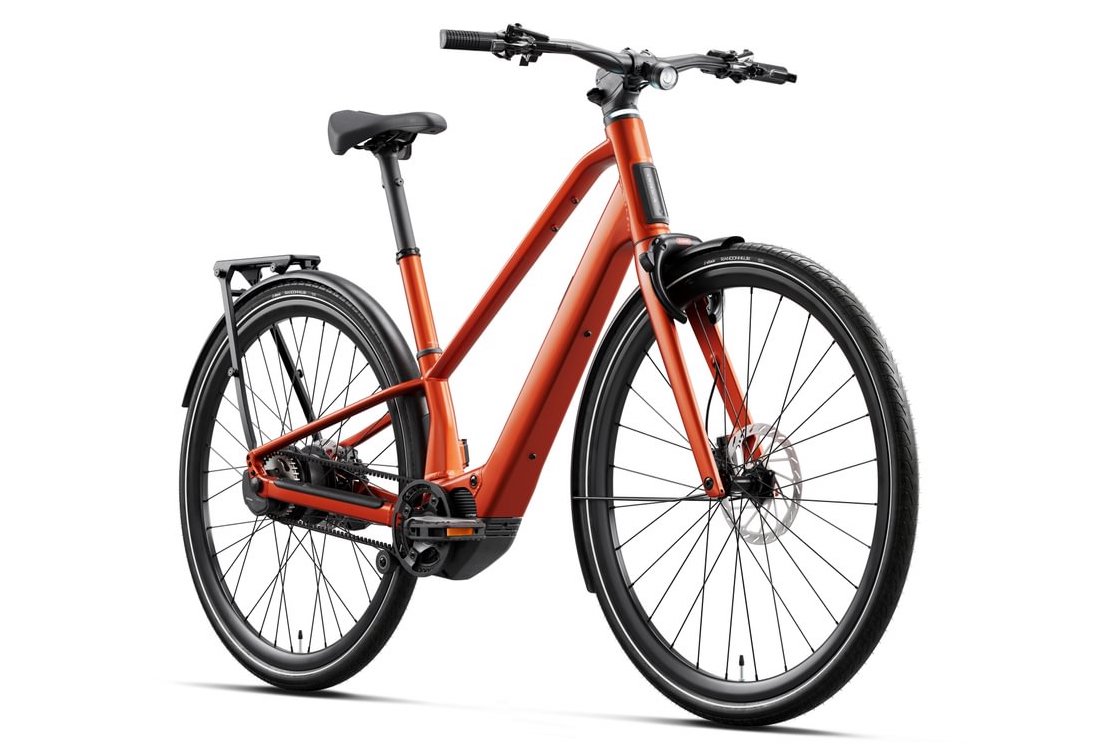
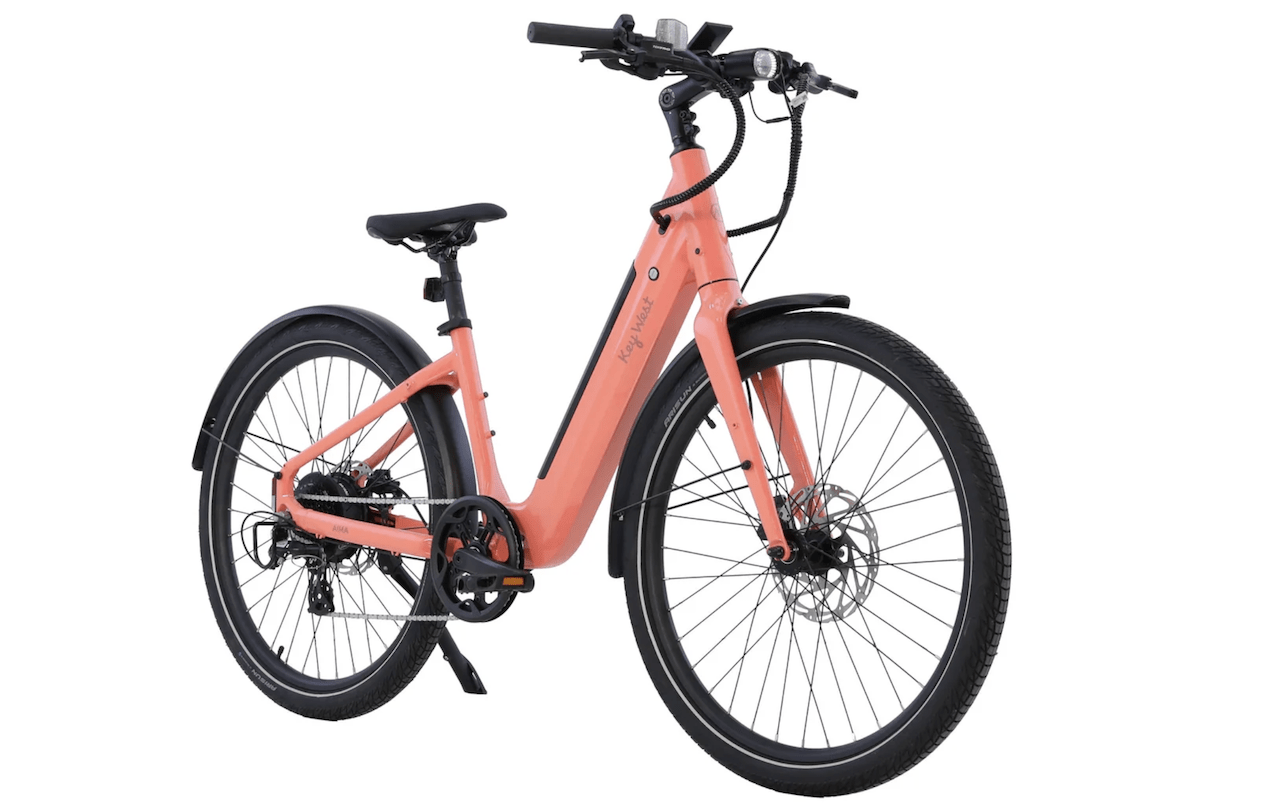
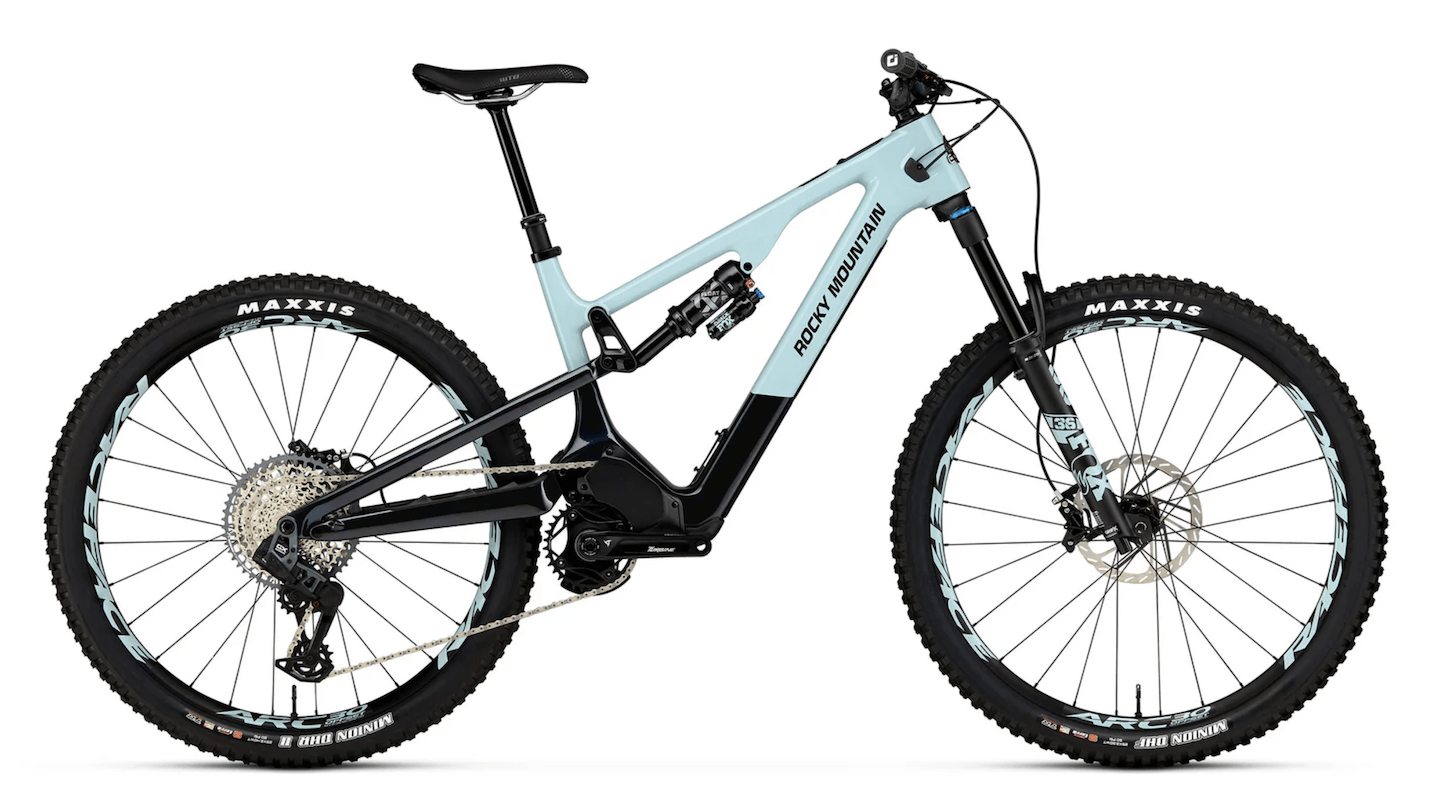



April 24, 2026 - Ontario’s newly proposed framework for power-assisted bicycles, also known as electric bikes or e-bikes, is being hailed as sensible by some, but other stakeholders see shortfalls. The new definitions propose a two-class system for power-assisted bicycles, and appear to address the “e-bike vs e-moto” problem that is a growing concern in Canada, the USA and abroad.
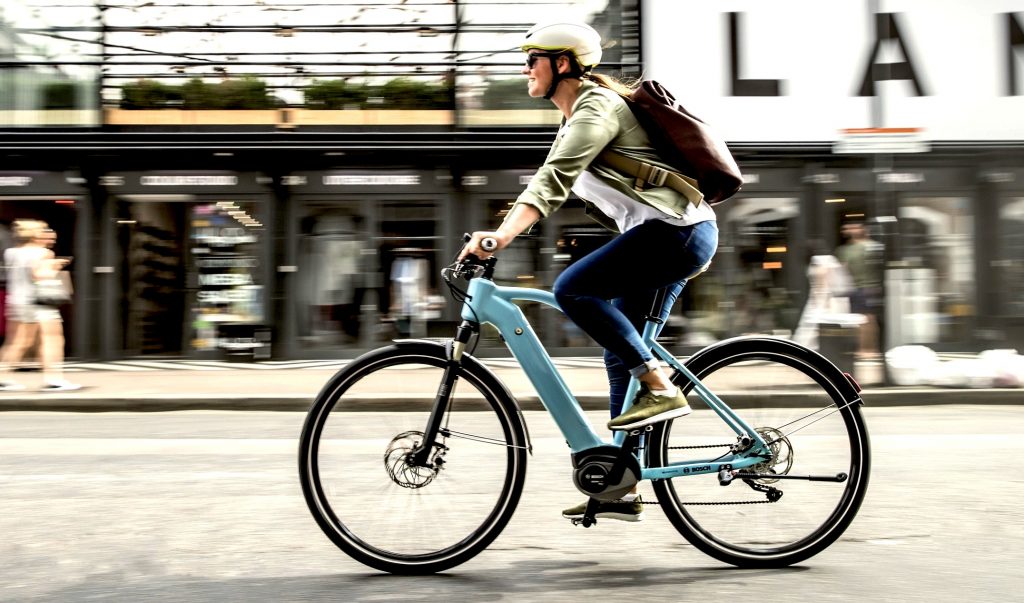
“The Ministry of Transportation is proposing to create a two-class definition for power-assisted bicycles. The proposal would also clarify that moped/scooter- or motorcycle-style electric motor vehicles would only be permitted on roads if they meet the requirements of an existing motor vehicle class (e.g., motorcycle, limited-speed motorcycle, or motor-assisted bicycle) under the Highway Traffic Act.”
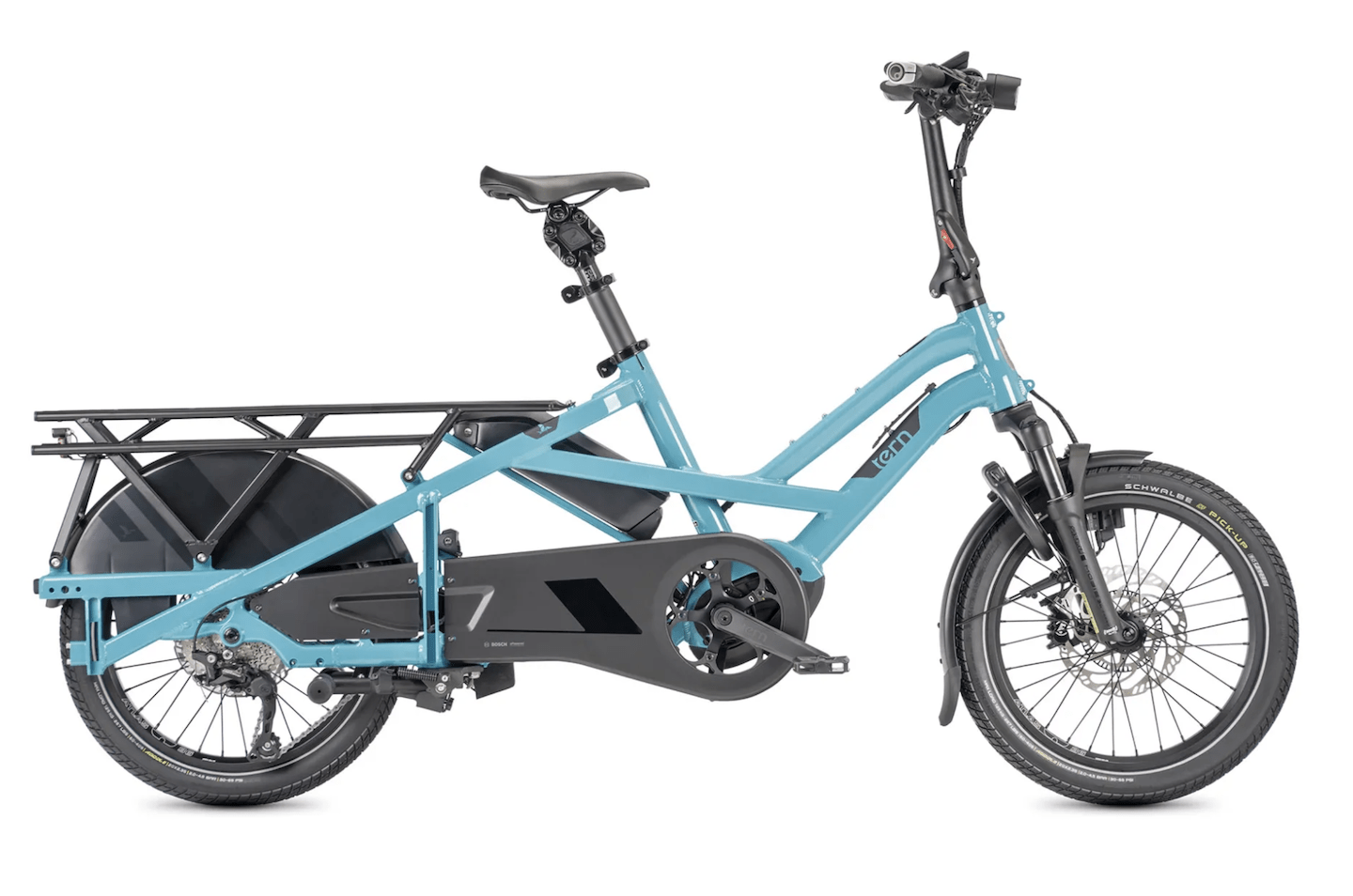
Also included is the removal of the 16-year-old minimum age of passengers which is good news for cargo-bike owners in the province who can’t legally transport their kids under the current regulations. This aspect of the new framework aligns Ontario with the rest of North America.
Released on April 22, the proposed framework is part of amendments related to e-bikes included within the Safer Roads and Communities Act, 2024 (SRCA). This is in response to the province’s expanded regulation-making powers under the Highway Traffic Act (HTA) that enable the province to update and refine the definition of e-bikes, including the ability to establish distinct classes of e-bikes with tailored operator, vehicle and safety requirements.
The key benefits of an updated regulatory framework for e-bikes include:
• Improving safety by enabling requirements that reflect differences in e-bike speed, weight, and design,
• Providing greater clarity for riders, industry, municipalities, and enforcement,
• Modernizing the framework to keep pace with a rapidly evolving e-bike market; and
• Supporting the safe use of e-bikes as a sustainable transportation option.
Some pundits believe Ontario’s new e-bike framework could be a good template for the rest of the country, while others point to the need to address the regulation of e-bike batteries as well, to ensure they’re certified to safety standards (which likely involves other government agencies).
Stakeholders like Michael Pasquali, owner of Electric Avenue E-Bikes in Hamilton and founder of the Canadian Electric Bicycle Association (CEBA), see shortcomings in the proposed framework. “We’re happy to see an improved framework for the e-mobility sector but believe education and enforcement as the first step, is a better way forward rather than requiring licensing and insurance. Many shops who have built their businesses on the existing set-up, including riders, will suffer under the proposed framework,” commented Pasquali.
According to Samuel Benoit, Executive Director at Velo Canada Bikes, “We’ll be working with our members and partners to review this proposed framework. We are advocating that every province and territory in Canada adopt e-bike policies that are evidence-based and in harmony with one another. The current regulatory landscape is allowing for a flood of fast, powerful e-motos into the Canadian market and to be sold as “e-bikes” when they really need to be regulated under another regime to better protect customers and road users.”
The new proposal calls for a 12-month education and awareness period to support the public, manufacturers, retailers, and stakeholders in understanding and complying with the updated rules.
The Ministry of Transportation (MTO) is seeking feedback on the proposed updated regulatory framework for e-bikes by June 8.
Read more here.