




April 27, 2026 - In response to the latest global energy crisis and rising fuel prices, a coalition of European mobility advocates is calling on governments at all levels to urgently scale up cycling as a fast, affordable and energy-efficient solution to reduce dependence on fossil fuels.
The new manifesto, “Achieving energy independence and affordable transport for all: 10 measures to leverage cycling”, outlines concrete short- and long-term actions to shift everyday mobility away from cars and towards active transport. It complements and goes beyond the measures in the European Commission communication on affordable energy encouraging stronger recognition of cycling and active mobility as immediate, cost-effective solutions to reduce transport-related energy demand.
The renewed geopolitical tensions and disruptions to energy supply have exposed once again the vulnerability of Europe’s transport system, which remains heavily reliant on imported oil. While short-term measures such as fuel tax cuts may provide temporary relief, they fail to address the structural causes of the crisis.
“Europe cannot use fossil fuel subsidies as a way out of energy dependence,” said Laurianne Krid, Chief Executive Officer of the European Cyclists’ Federation. “We need solutions that reduce fossil fuel use at source. Cycling is one of the fastest, cheapest and most effective tools we have.”
“If we are serious about cutting energy dependence, we have to take a systemic approach and back solutions that genuinely reduce demand,” said Paul Walsh, Chief Executive Officer of the European Cycling Industries. “Cycling as part of a sustainable modal shift is not a niche alternative – it is a strategic asset for Europe’s energy security, competitiveness, and resilience.”
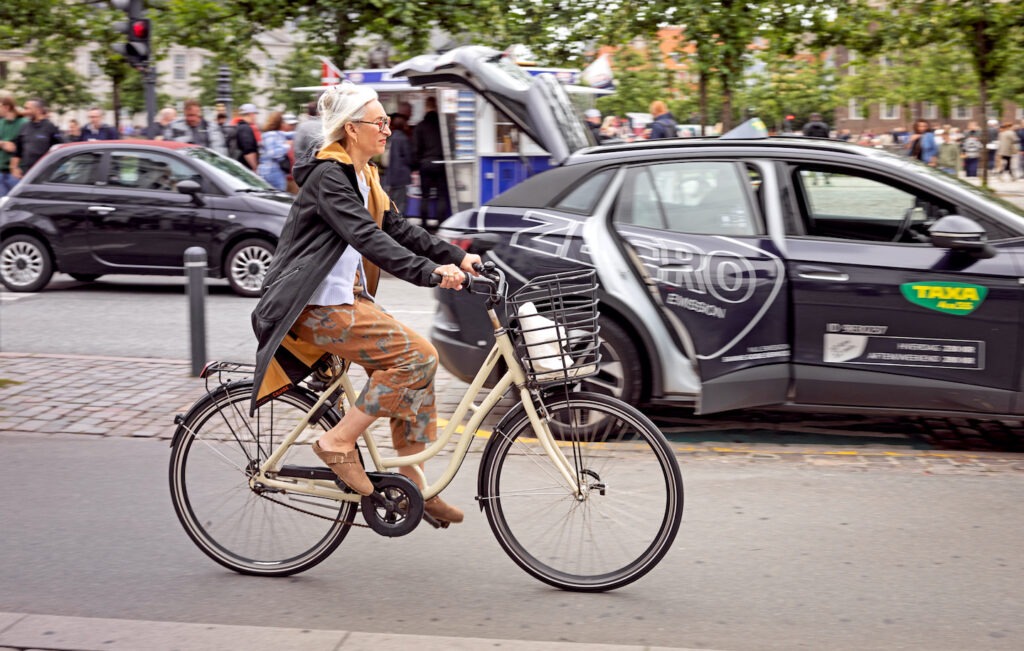
Cycling is by far the most energy-efficient mode of transport. A single kilometre travelled by bicycle consumes up to 27 times less energy than by car. With around 100 million short urban car trips made daily in Europe, many under 5 to 10 km, the potential for modal shift is significant.
Even modest changes can deliver tangible benefits. Replacing just 10 km of daily car travel can save households up to €500 per year in fuel and maintenance costs.
Five immediate actions
The manifesto calls for rapid deployment of proven measures, including:
- Reintroducing temporary “resilience bike lanes” by reallocating road space
- Lowering urban speed limits to 30 km/h to improve safety and reduce fuel consumption
- Providing targeted financial incentives for bicycles, e-bikes and repairs
- Organising regular car-free days in cities and neighbourhoods
- Promoting cycling tourism and improving bike access on public transport
Five structural reforms
To ensure long-term impact, governments should:
- Expand bike-leasing schemes through fiscal incentives
- Allocate at least 10% of transport budgets to active mobility
- Build continuous, high-quality cycling networks across all levels
- Develop comprehensive bike-to-school programmes
- Strengthen institutional capacity for active mobility planning
A pathway to resilience and affordability
Investing in cycling not only reduces energy consumption and emissions, but also strengthens Europe’s resilience, improves public health, and makes mobility more affordable for all.
“With the right political will, millions of short car trips can be replaced quickly,” added Laurianne Krid. “Every journey shifted to cycling helps reduce fuel demand and frees up energy for essential sectors.”
In this context, the European Cyclists’ Federation welcomes the inclusion of measures promoting cycling in the Annex of the Commission´s communication on affordable energy, such as further developing cycling infrastructure, introducing incentives for the purchase of bicycles, public support for bike sharing, and incentives for last-mile deliveries by cargo bike. However, just like the Commission’s recent proposal on clean corporate vehicles, the communication omits mentioning company bike leasing in the recommendations on tax benefits for company cars, ignoring the huge potential for fuel savings through a modal shift in employee mobility. This is exemplified by the German bike leasing sector with 2.2 million company bikes on the road thanks to a targeted tax incentive.
The signatories of the manifesto, listed below, stand ready to support policymakers in implementing these measures.
European Cyclists’ Federation
European Cycling Industries
European Transport Safety Council
Eurocities
Polis
Clean Cities Campaign
Commission Communication and Annex AccelerateEU – Energy Union – affordable and secure energy through accelerated action
Additional Notes
• Cycling uses significantly less energy than motorised transport and requires no fossil fuel consumption.
• Around 26% of urban car trips in the EU are under 5 km, and over half are under 10 km.
• Examples of successful cycling policies exist across Europe, including bike-leasing schemes and temporary cycle infrastructure introduced during the COVID-19 pandemic.