




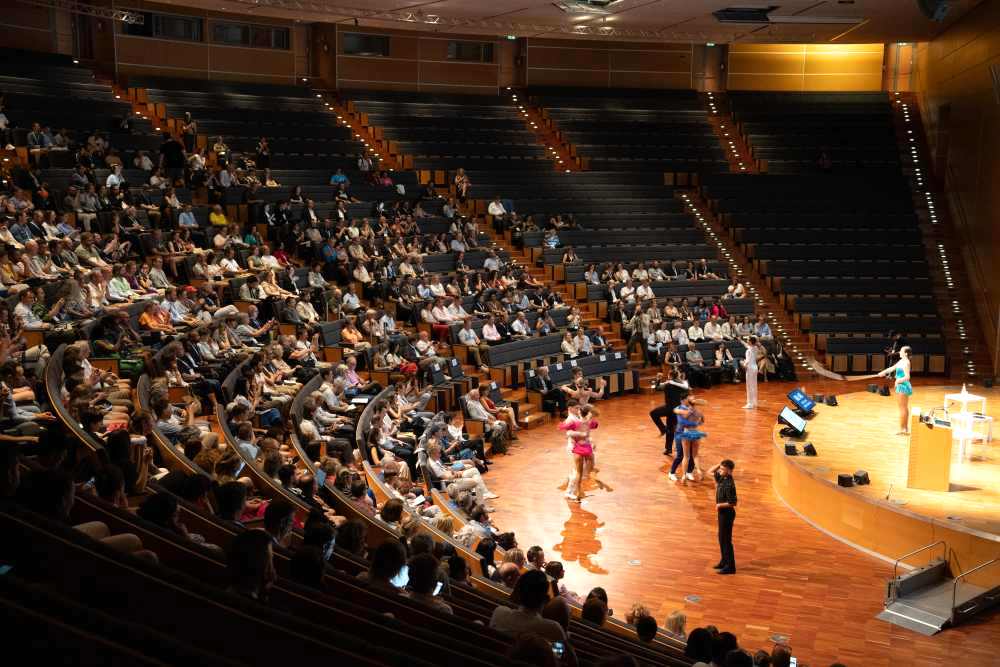
June 18, 2026 - (Rimini, ITA) The day began with the ring of the Sciucarèn, the ancient Romagnolo tradition of cracking whips in rhythmic patterns to the beat of music. The local welcome set the tone for the opening ceremony, which focused on how cities can modernise while simultaneously preserving their roots. Rimini itself is proof. Roberta Frisoni, Regional Councillor for Tourism, Trade and Sport, Emilia-Romagna Region, detailed how former waterfront parking lots and roads have been transformed into parks, sports facilities, promenades and cycling paths. “People thought we were a bit mad when I first spoke about regenerating 15 kilometres of waterfront, but we went on and delivered it.”
Keynote speaker Elizabeth Diller reinforced this theme with the story of how an unsightly abandoned railroad became New York’s High Line —one of the city’s most visited attractions with significant economic and social benefits. These stories show how reclaiming urban space can create healthier and more attractive cities, while also raising questions around gentrification, tourism and equity. As Laurianne Krid, CEO of the European Cyclists’ Federation, said: “The urban dream may never be fully realised, but we are moving in the right direction. Step by step. Or ride by ride.”
Day 1: Session highlights
Women in Cycling: Building the network
“If we’re not at the table, we’re on the menu.” The Women in Cycling Network, now celebrating its fifth anniversary, held a workshop on improving gender equality in decision-making across the cycling sector. Two takeaways stood out: the need for more data to make a strong economic case, and more visibility to help shift the narrative. The network’s expansion will support these goals. Check out their new website and stay tuned for a major report from the German chapter that will be released next week.
Tackling bikelash: Overcoming habits and fear of change
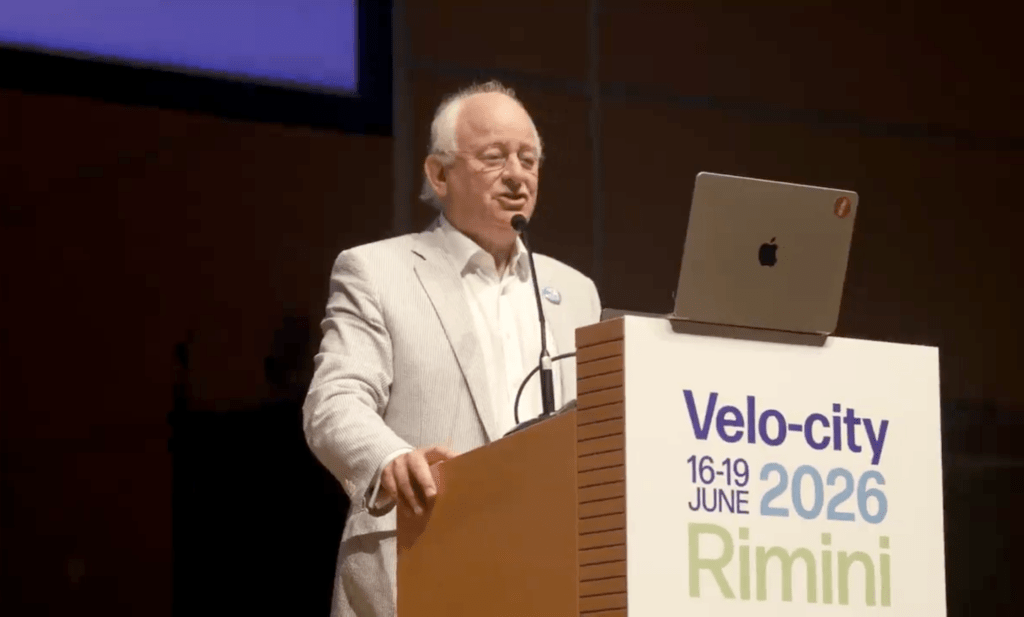
“The dream became a reality.” hailed Maren Ahlers, Bicycle Mayor of Addis Ababa. However, urban development is more complex than simply building infrastructure, especially if people feel excluded from the process, as shown by the ’empty lane’ problem in this case. In ‘autonormative’ cities, bikelash is a normal response to mobility change but can be reduced through trust and community engagement. The panel highlighted that public support for active travel is often stronger than it appears, making communication and relationship building essential for lasting change.
Promoting healthy and sustainable urban neighbourhoods in Peru, Nepal and Brazil.
Community-led initiatives are transforming lives worldwide. Launched in 2025, the Healthy Cycling Challenge, a joint effort between the Cities for Better Health initiative (Novo Nordisk) and ECF, supports grassroots projects tackling health inequalities through active transport. From 243 applications across 46 countries, three projects secured funding to bring their ideas to life. In this session, they showcased locally adapted solutions. Cycle City Network Nepal empowered 20 teachers to become cycling leaders and foster a positive cycling culture among students. In São Paulo, Instituto Caminhabilidade worked with favela residents to design community bike-sharing systems tailored to their neighbourhoods. Meanwhile, the Peruvian Society for Environmental Law is developing urban planning tools, promoting tactical urbanism interventions, and strengthening youth leadership through cycling collectives. These examples reminded us that meaningful change happens through collaboration.
Winning the next generation: Campaigns to get young people on bikes
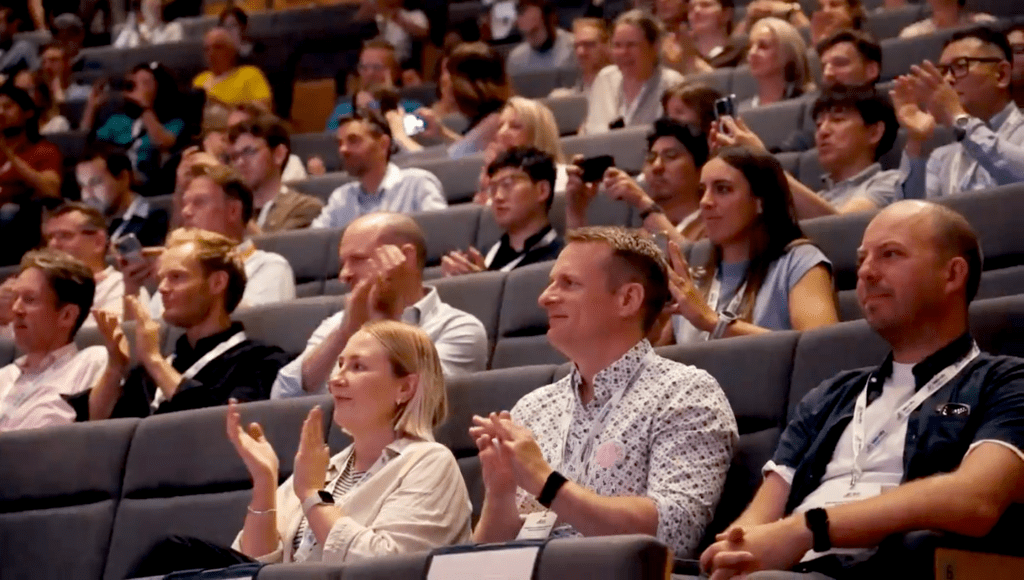
What do cycling camps, influencers, health policy and advocacy have in common? This session showed how they can all help get young people on bikes. In Hungary, state-funded cycling camps combine adventure and education to build children’s confidence and traffic skills. In Dublin, teenage girls were the focus of a campaign that “infiltrated their social media culture”, working with local influencers who naturally integrated cycling into their GRWM videos and everyday content. FUB takes a national approach: physical activity among adolescents continues to decline, so cycling should become a health policy priority. Cycling advocates and health experts collaborated on a National Roadmap that places young people and prevention through cycling at the heart of healthier societies. Finally, Junger ADFC showed that young people can also organise themselves and play an active role in advocacy.
Second Plenary: Designing beautiful urban environments
What happens when cities stop designing for cars and start designing for people? This plenary session explored how active mobility can transform not only the way we move, but also the places where we live. Speakers shared examples from around the world showing how space reclaimed from private vehicles can become greener, healthier and more inspiring public places. As moderator Karen Vancluysen, Secretary General of Polis, argued that the biggest game changer remains the reallocation of urban space towards active mobility. Examples from cities including Houston, Quebec, Konya, Udine, and Rimini demonstrated how cycling and public space improvements can reshape urban life, from revitalised squares and historic sites to thriving parks built on previously neglected land. As Skye Duncan, CEO of GCSI, put it, streets are “the greatest untapped asset we have” for addressing many of today’s challenges.
The discussion also highlighted the challenges of change. Removing parking or road space often provokes resistance, but speakers stressed the importance of engagement, storytelling and political courage. “If we start designing streets for people and not cars, we don’t lose space — we give back space to our people,” said Ivano Marchiol, Deputy Mayor of Udine. Throughout the session, cycling emerged not as an end in itself, but as a catalyst for creating healthier, more beautiful and future-ready cities.
The closing message was one of hope and perseverance: meaningful change takes time, not everyone will agree, but progress begins with taking the first step. As Ahmet Murat Koru, Deputy Mayor of Konya Municipality, put it: “Start small, but start now.”
ECF Awards
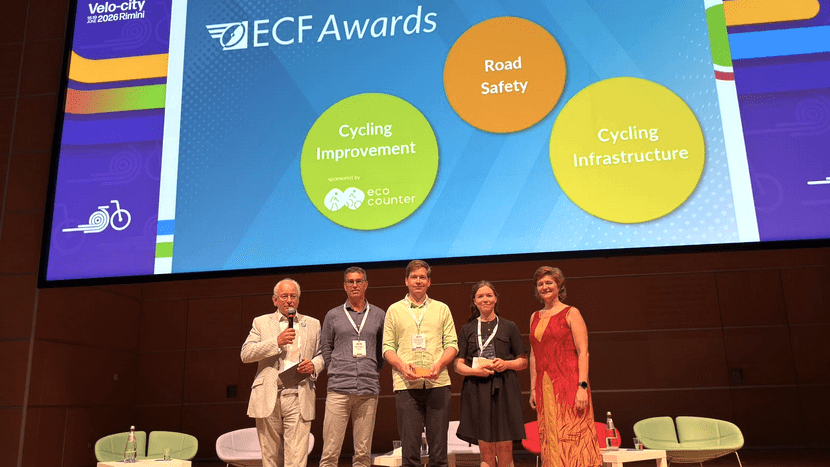
The ECF Awards capped off the day by recognising the past year’s biggest achievements in cycling. Here are the winners:
• City of Oslo, Cycling Improvement sponsored by Eco-Counter
• City of Helsinki, Road Safety
• Commune of Rimini, Cycling Infrastructure
Read the full press release here.
Watch the Velo-city 2026 Day #1 video here.