





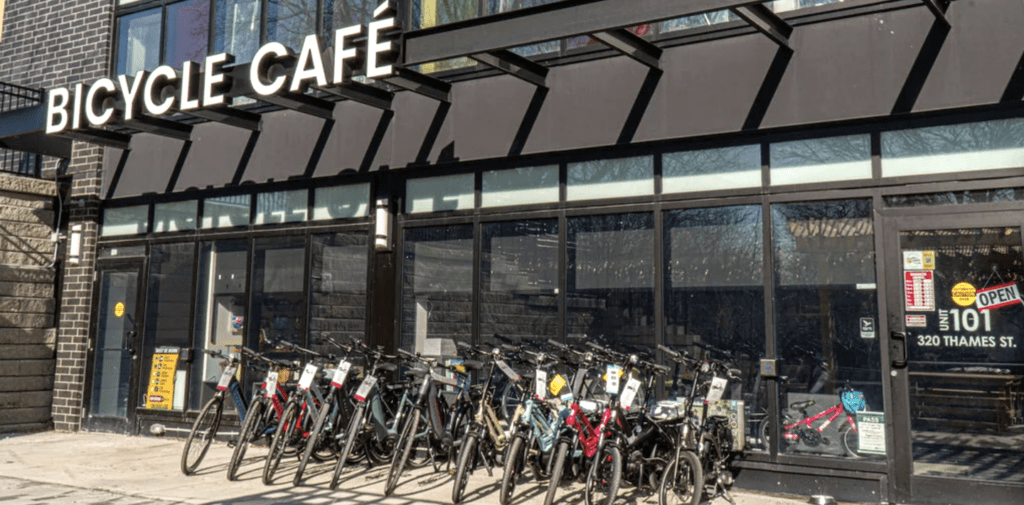
December 11, 2025 - The London Bicycle Café was founded by Ben Cowie and Andrew Hunniford and first opened in 2018 with a simple objective: to help the residents of London, Ont. fight climate change by cycling more and driving less. The shop quickly grew in popularity with its 21st century mobility approach, and its espresso bar with baked goods and rustic cuisine. We checked in with current owner, Andrew McClenaghan, who took over the business in 2024, to learn more about how the Café is achieving its goals, what’s new, and what’s to come.
You first became a customer, and then took over the store in 2024. How did that come about?
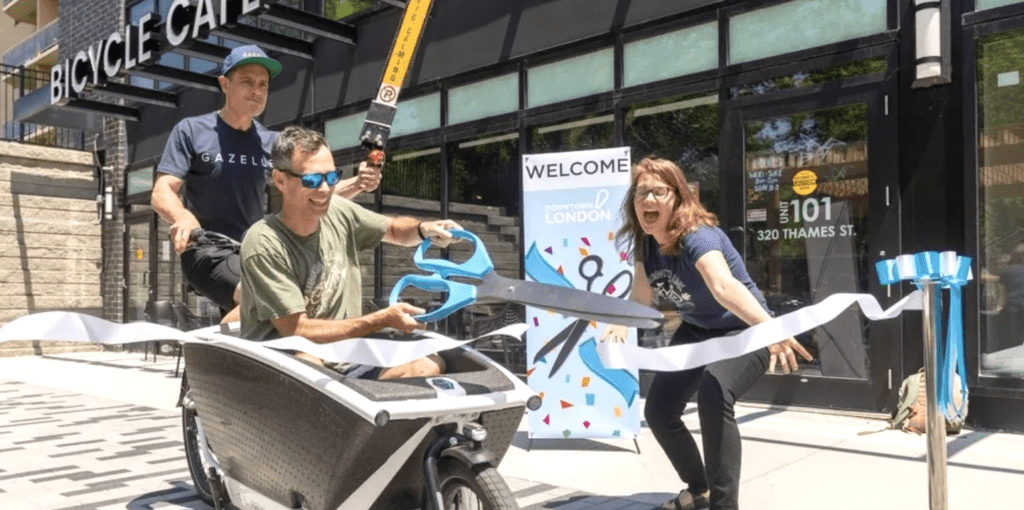
AM: I originally came to London Bicycle Café as a customer and immediately connected with the shop’s mission, that bicycles could be a practical, joyful part of everyday life. In 2022, I invested in the business because I believed in its potential and wanted to support the growth of transportation cycling in London. By 2023, I was more actively involved in operations as demand for urban e-bikes and cargo bikes continued to rise. When the opportunity arose to take over the business in 2024, it felt like a natural progression. The shop’s values matched my own, and I wanted to help carry its mission forward.
Give us a brief history of your background in cycling and with e-bikes. What’s your current ride?
Andrew McClenaghan: I came into cycling quite late. After getting my driver’s license in 1995, I barely rode a bike for almost 25 years. In 2020, during a period when many people were rethinking transportation, I discovered how practical and enjoyable everyday riding could be. Trying an e-bike changed everything. It made cycling consistent, accessible, and genuinely fun. Today, my main ride is an Urban Arrow. It is my daily vehicle for commuting, errands, and hauling nearly anything. It has replaced many car trips and made all-season riding possible.
The new store looks great. How is the set-up in the new location working out?
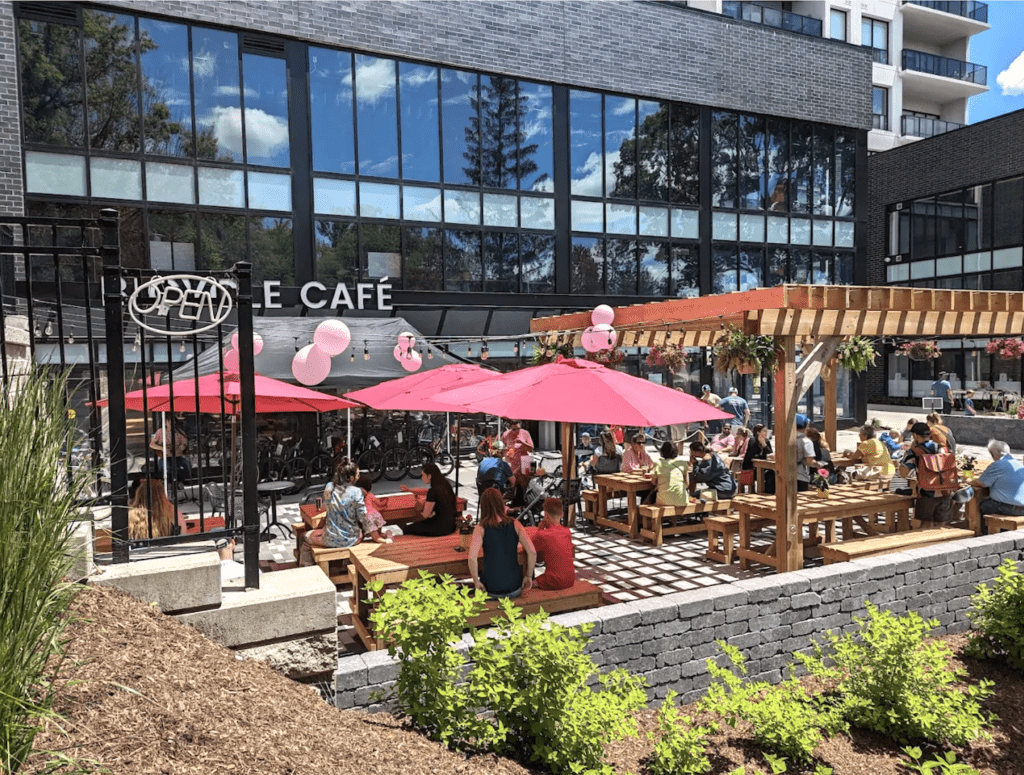
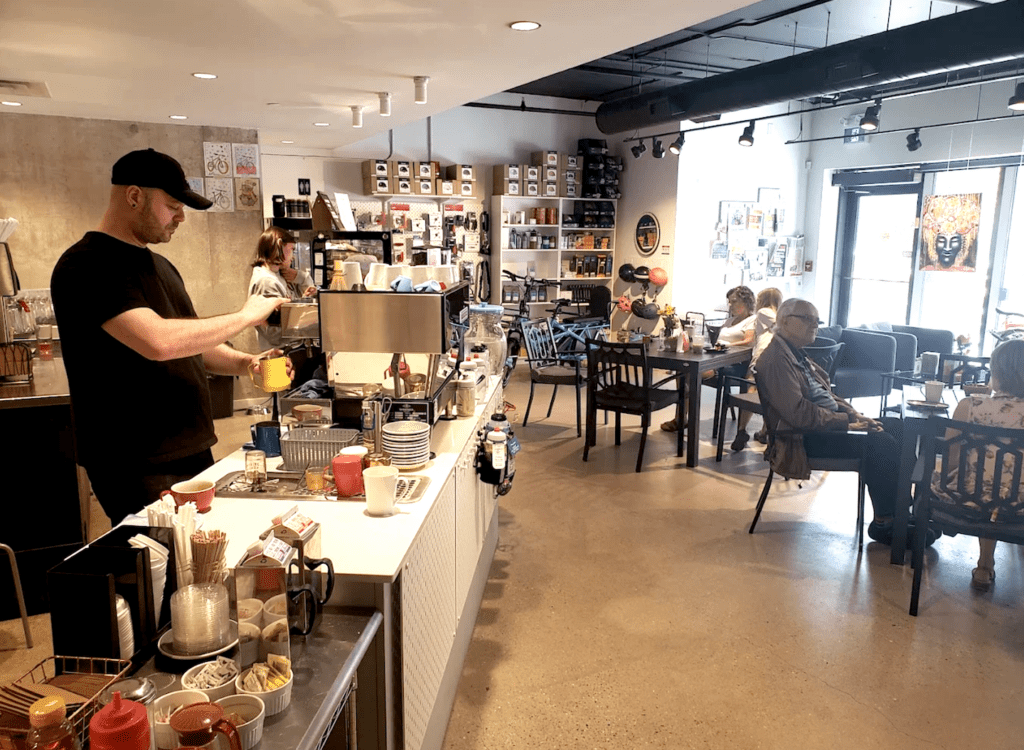
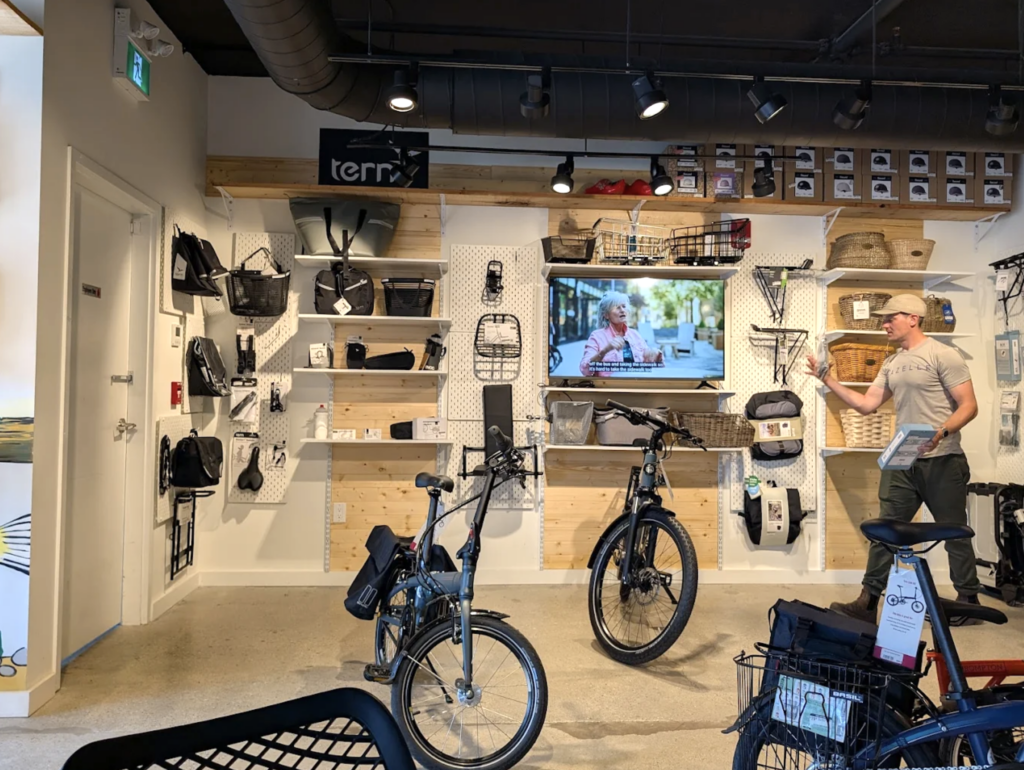
AM: The move to Thames Street has been transformative. The new location provides immediate access to the Thames Valley Parkway system, which allows customers to test ride bikes in a calm, scenic environment. Instead of navigating heavy traffic, riders can experience e-bikes and cargo bikes the way they are meant to be enjoyed. Our adjacent service centre supports both sales and service operations, keeping everything close and efficient. The mechanics have the space and focus needed for high quality repairs, while the retail space remains welcoming and uncluttered. At our former Clarence Street location, test rides were difficult due to automotive traffic congestion and the lack of nearby cycling infrastructure. It also limited our ability to offer a true café-style experience. Thames Street has solved these challenges and created a space that reflects the kind of community-focused bike shop we want to be.
What brands and types of e-bikes and e-cargo bikes do you currently stock? Any plans to expand?
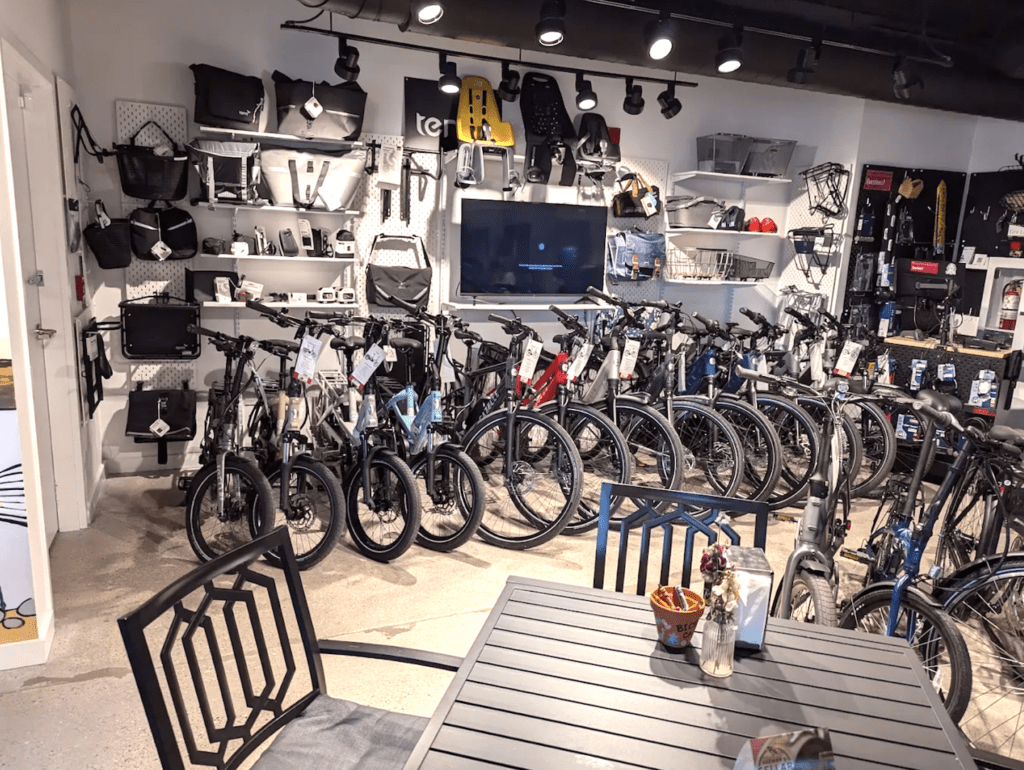
AM: We carry a curated selection of reliable, transportation-focused brands: Gazelle, Tern, Urban Arrow, Bullitt, and Breezer. These brands give us a strong mix of city bikes, compact cargo bikes, and full front loaders for families and businesses. We plan to continue expanding within practical urban mobility and cargo solutions, especially as more families and commercial users discover how effective e-bikes are for replacing car trips.
Talk about the demographic of your customers, both for e-bikes and for e-cargo bikes.
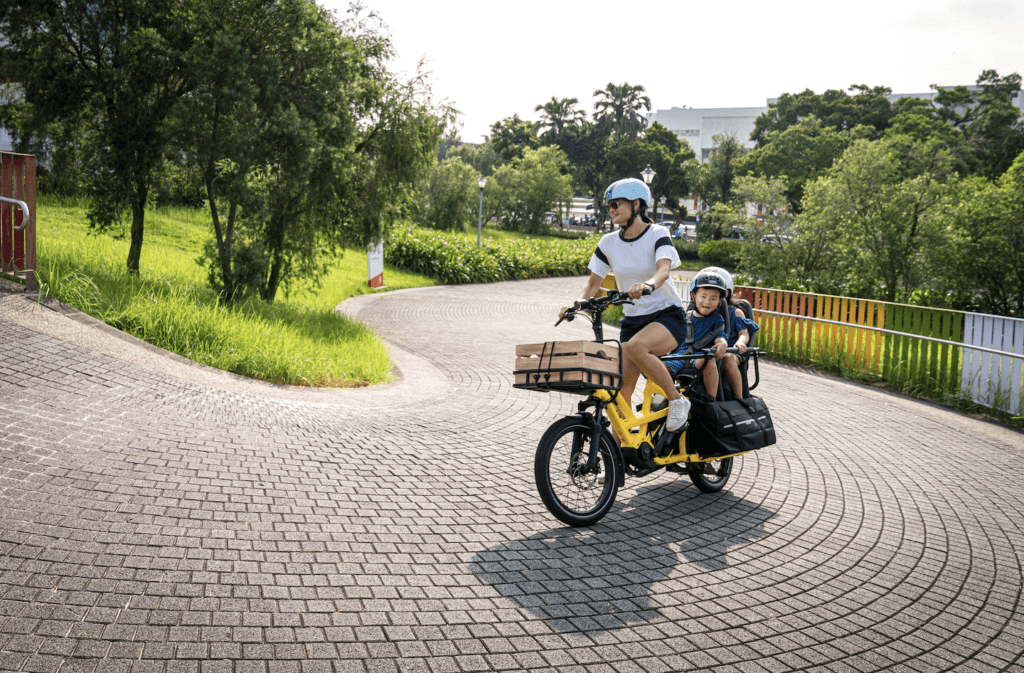
AM: Our e-bike customers represent a wide range of Londoners. We see commuters looking for a better way to get to work, hospital and university staff, empty-nesters who want to stay active, students who need a reliable alternative to driving, and new Canadians who value affordability and practicality. Cargo bike customers tend to be families replacing or avoiding a second car, as well as small businesses that want a clean, efficient mobility tool. Across all groups, people are looking for transportation that is more flexible, more enjoyable, and less costly than driving.
London Bicycle Café is more than a bike shop. Tell us about your programming, including social events, advocacy, and education.
AM: We see ourselves as a community mobility hub. Beyond sales and service, we support: social rides in partnership with London Cycle Link; family-friendly events that normalize riding with kids; maintenance classes and hands-on workshops; education sessions with workplaces and schools; local advocacy for safer, more accessible urban cycling; connections and conversations in a café environment built around a Dutch-inspired menu. Our aim is to help people not only buy a bike but develop the confidence and community to ride more often.
You also launched a Bikes for Business initiative… how is that going?
AM: Bikes for Business is our way of helping local organizations discover how practical an e-bike can be for daily work. We keep a small fleet of cargo and utility e-bikes at the London Bicycle Café, and businesses can borrow them for long trials. This lets teams learn how an e-bike fits into real jobs like deliveries, outreach, client visits or hauling gear. The program removes the risk of buying something new before you know if it works. It gives people time to build confidence, try different setups and see how much time and money they can save.
The program is already growing through strong community partners. Early pilots include Meals on Wheels and 519 Pursuit (support agency for Unhoused Londoners), Antler River Rally (river cleanup), and each group has shown how an e-bike can replace short car trips and make their work more flexible. Support from Green Economy London, Northern Commerce and others shows that the city is ready for cleaner and cheaper ways to move around.
As more groups take part, the program can grow in a few ways. We can add more bikes to the shared fleet, from compact utility models to larger cargo bikes for hauling heavier loads. We can test trailers, covers and storage options that fit different job needs. We can also build a shared knowledge base so local groups can learn from each other. Over time, this can become a citywide network of businesses using simple, low cost transportation for everyday tasks. Each new rider helps cut emissions, reduce traffic and show that cleaner streets are possible.
What makes London a good city for cycling and how has it evolved since the store opened?
AM: London is compact, relatively flat, and full of destinations within a short riding distance. The Thames Valley Parkway remains the city’s key cycling artery and is a major asset, although it is not lit or maintained year-round, which creates challenges for night and winter riding.
Since 2018, the city has begun rolling out protected bike infrastructure, and eventhough the network is still incomplete, the improvements are noticeable. More people are riding year-round, more families are choosing cargo bikes, and e-bike adoption continues to rise.
How have the government’s decisions on bike lanes and e-bike regulations impacted your business, and what is your take?
AM: Every new protected bike lane increases interest in cycling. When people feel safe, they ride more. It is clear that many more Londoners want to ride, but safety concerns are still holding them back. High quality infrastructure is the single biggest factor that influences ridership. Ontario’s e-bike rules place us in a strong position. We already exclusively sell pedal-assist pedelecs that are speed regulated and that use batteries and drive systems meeting Canadian safety standards. Clearer distinctions between transportation e-bikes and moped-style devices would still benefit riders and municipalities, but the current regulatory foundation supports our business model well.
What is on your wish list for the London bike community?
AM: A fully connected network of protected bike lanes; secure bike parking at workplaces, schools, apartments, and retail areas; a cargo bike subsidy for families and businesses; better winter maintenance for cycling infrastructure.
Thanks for taking the time to talk with us, and wishing you every success going forward.
AM: Thanks as well.
Read more about the London Bicycle Café here.