
• Flip Book • eNews • eAdventures • eCities • eCargoIntl • eBikeTypes • eRoad • eGravel • eMTB • eUrban • eCargo • eBikeTests • eAccessories • eBikeShops • eFeatures •
• Flip Book • eNews • eAdventures • eCities • eCargoIntl • eBikeTypes • eRoad • eGravel • eMTB • eUrban • eCargo • eBikeTests • eAccessories • eBikeShops • eFeatures •
May 3, 2026 - In late February, Sen. Catherine S. Blakespear (D-Encinitas) introduced bill SB 1167 in California, which makes it clear that electric vehicles that are too powerful or too fast to meet the definition of an electric bicycle are not to be marketed or sold as e-bikes.
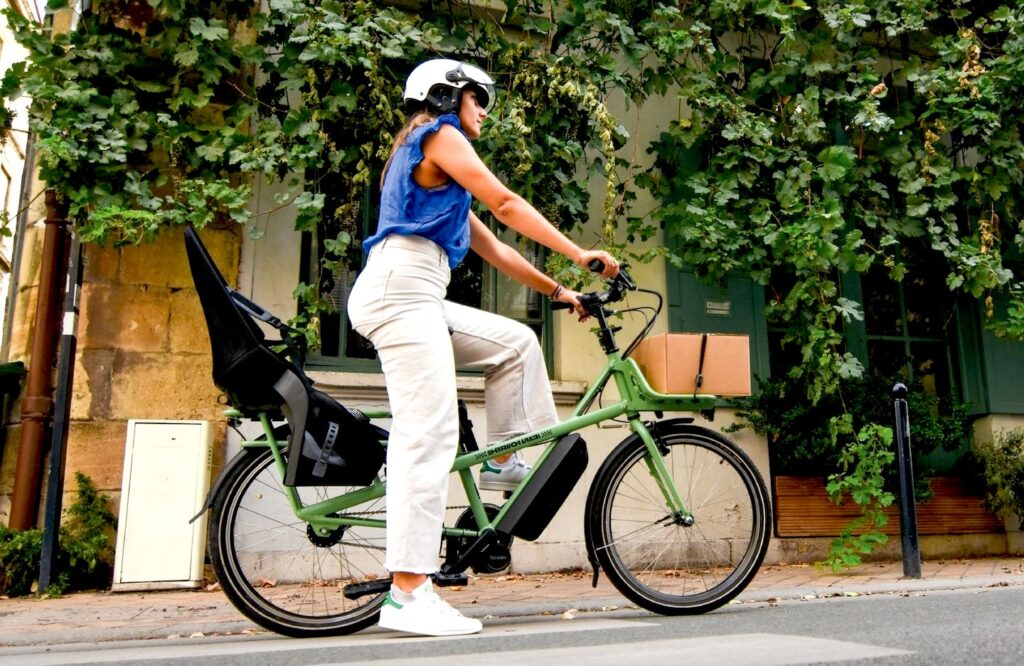
Electric bicycles are already clearly defined under U.S. state and federal law as having no more than 750 watts of power and maximum speeds of 20mph on throttle or 28mph when pedal assisted. Yet increasingly, higher-powered electric motorcycles, commonly called “e-motos,” are being marketed and sold as “e-bikes,” creating confusion for families and regulators, as well as causing new safety risks on public streets.
The new legislation strengthens consumer protections, clarifies the classifications of certain high-powered electric devices, and cracks down on deceptive marketing, making it illegal to advertise or sell electric motorcycles, mopeds, or other higher-powered vehicles as electric bicycles. It also requires clear disclosure when a vehicle does not meet the e-bike definition and is subject to registration, licensing, helmet, and insurance requirements.
Research shows that e-bike ridership is growing rapidly across age groups and is expanding access to people who might not otherwise ride. Protecting that progress requires clear rules and honest marketing. Bill SB 1167 is being touted as a template for other states and is co-sponsored by CalBike, PeopleForBikes, Streets For All, and Streets Are For Everyone.