



October 16, 2026 - (Utrecht, NED) Despite wider challenges in the cycling and logistics industries, organisers of the International Cargo Bike Festival (ICBF) report a remarkably fruitful 2026 edition in Utrecht—marking the event’s third consecutive year in the city. With around 600 visits over the two days, what set ICBF 2026 apart was the concentration and depth of expertise in the hall. Exhibitors shared the widespread view that the added value of the ICBF lies not in the quantity of visitors, but in their quality.
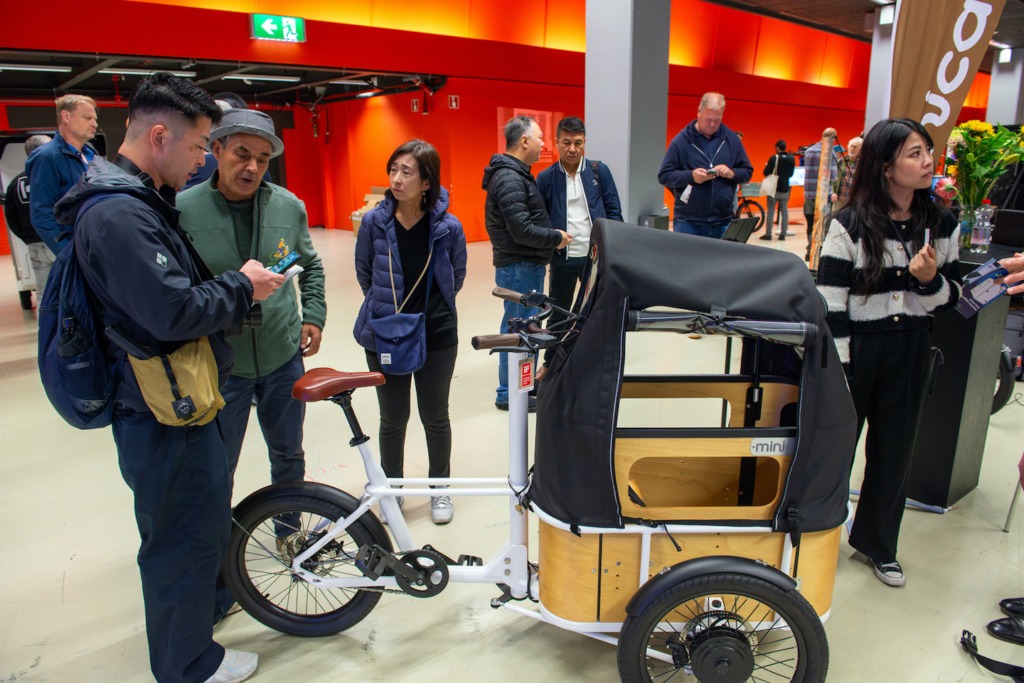
Key industry leaders, decision-makers, operators and sector advocates from across the globe gathered in an environment set up to foster meaningful connections. There, they shared knowledge, showcased designs and discussed pressing questions about the direction of the sector. Using the Conversation Starter platform, attendees arranged targeted, one-on-one meetings at designated hubs on the show floor.
ICBF 2027 in Nijmegen
Jos Sluijsmans, initiator and co-organiser of the International Cargo Bike Festival, opened the 2026 edition by announcing that next year’s ICBF will take place in the Dutch city of Nijmegen. It will then be fifteen years since the first edition was held there in 2012. The City of Nijmegen welcomes the return of the ICBF, as evidenced by the comments of Councillor Cilia Daemen, who is responsible for mobility, diversity and inclusion, climate adaptation and greening.
“We are delighted that the organisers have chosen to return to Nijmegen after 15 years – the place where the event originated. Nijmegen is growing and the city is becoming more densely populated, but urban logistics remain as important as ever,” said Councillor Daemen. “With the introduction of zero-emission zones, we are asking businesses to step up a gear. That is why we believe it is important that we also support them. As a local authority, we are linking up with the International Cargo Bike Festival by setting up a programme for businesses, providing them with practical guidance on how to prepare for the fully emission-free zones for urban logistics by 2030.”
Scaling up: standardisation, fleet operations, and global exchange
A key focus across ICBF 2026 was the sector’s growing maturity and professionalisation. Conversations centred on the practical infrastructure required to scale cargo bike usage – from standardised battery systems and heavy-duty component durability to workforce professionalisation and regulatory frameworks.
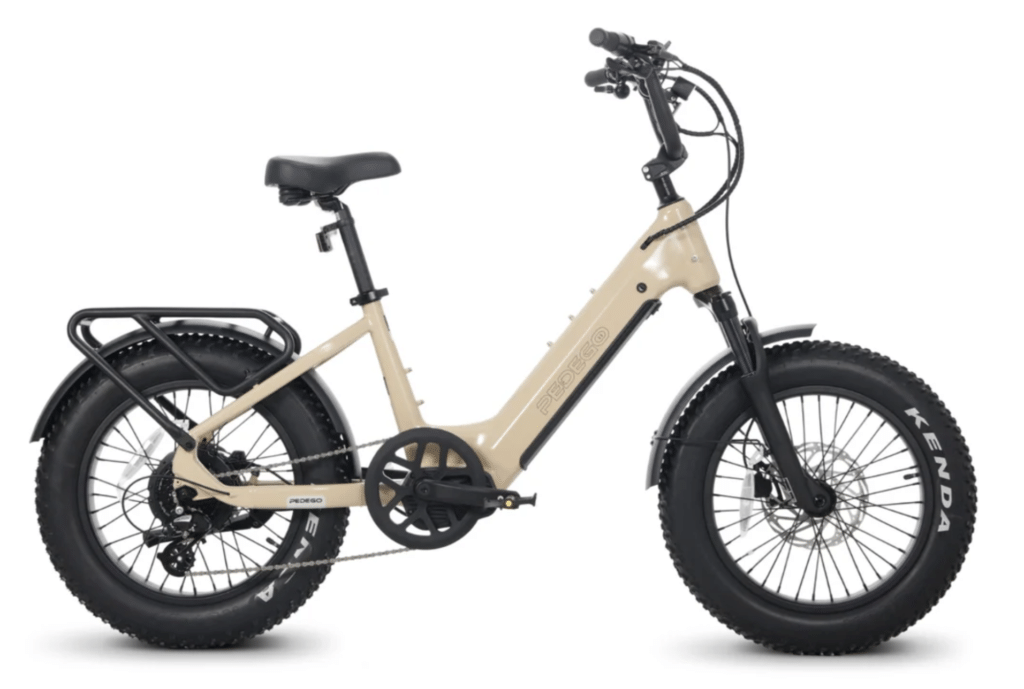
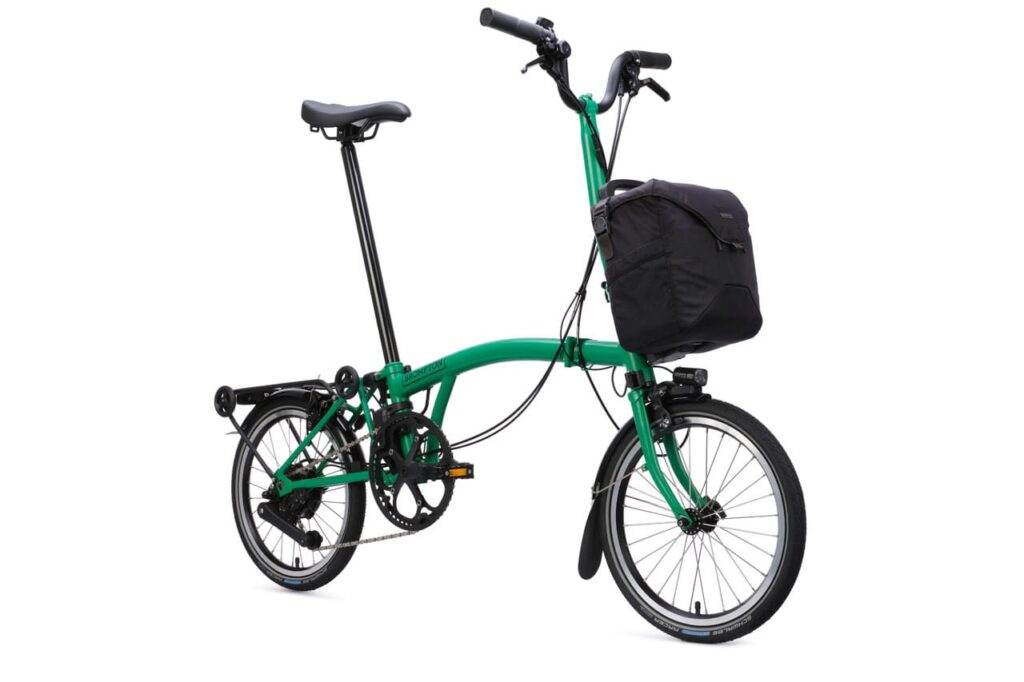
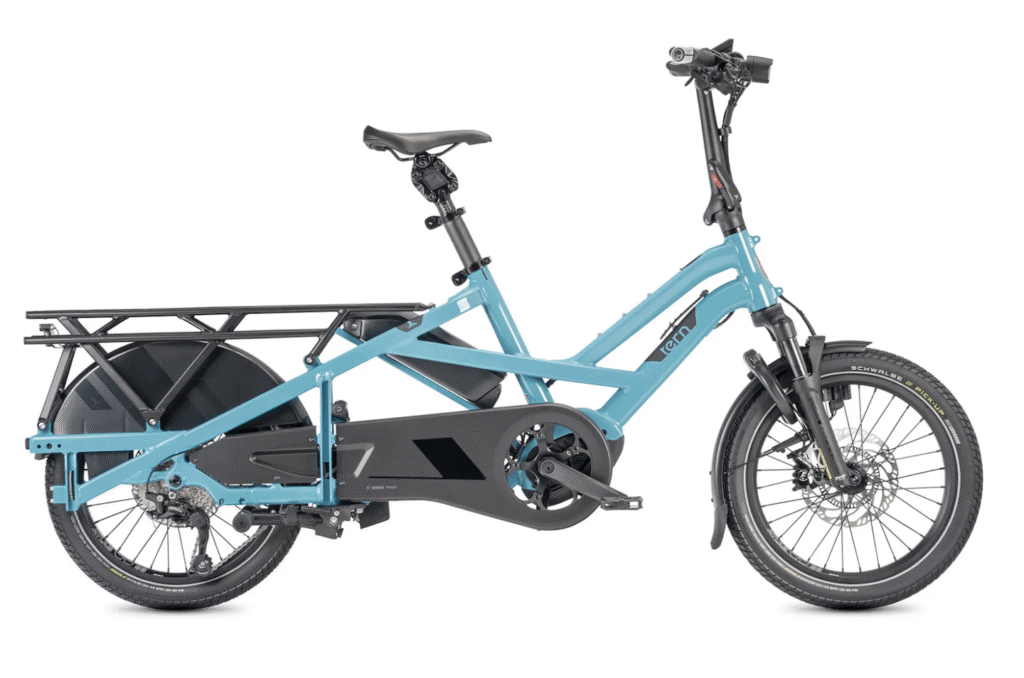
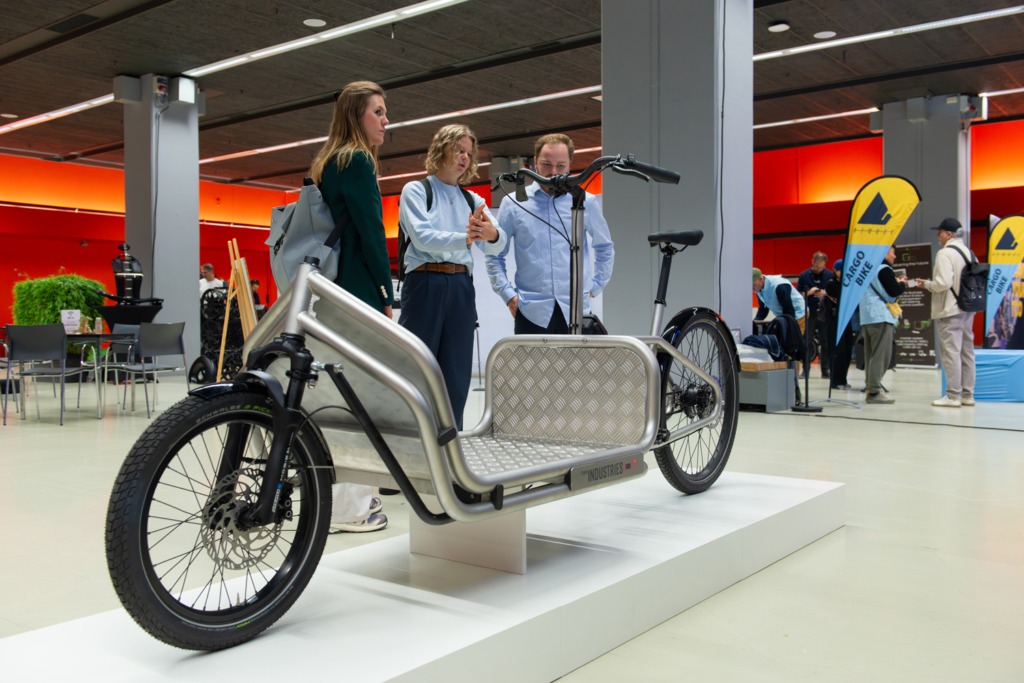
Two distinct trends could be identified within this professionalisation: on the one hand, ever-larger and heavier cargo bikes capable of transporting greater volumes; and on the other, a renewed appreciation for the simple, compact cargo bike that manoeuvres flexibly through city traffic. Addressing the issue of limited space in cities and modern homes, cargo bike parking systems, trailers and folding cargo bikes were also offered as solutions.
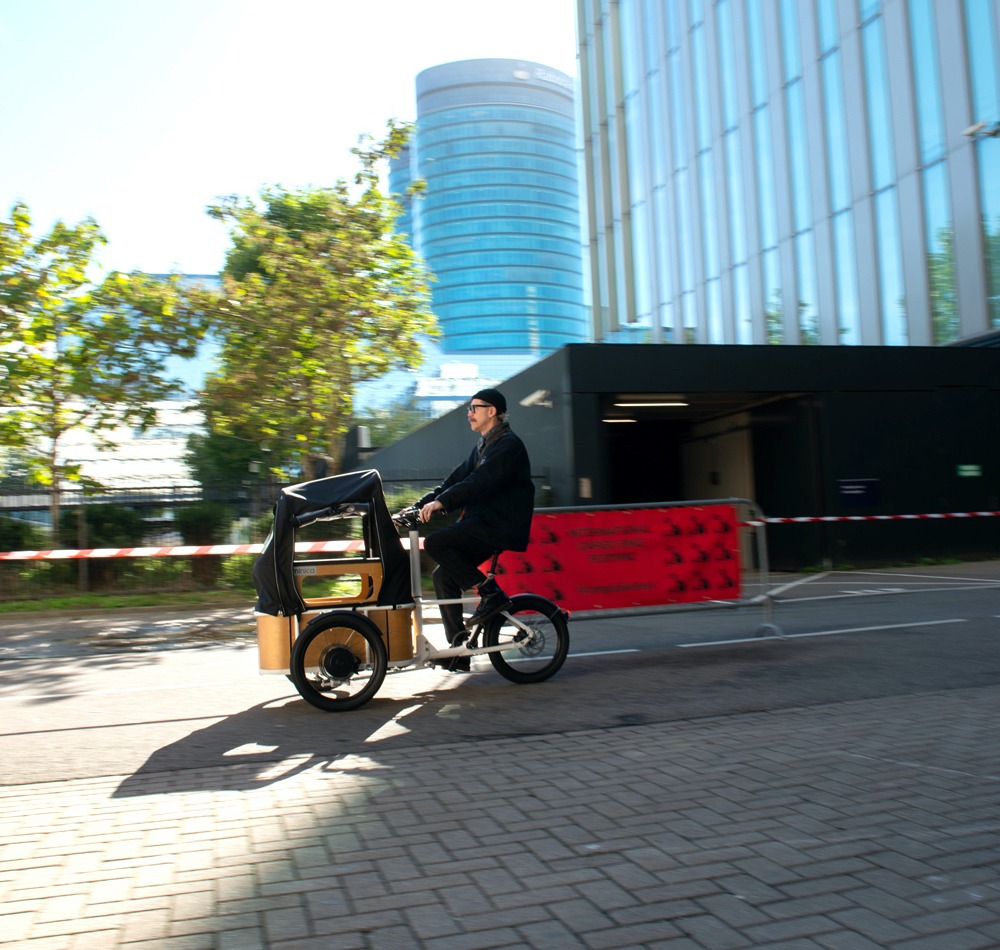
Exhibitors on the show floor reflected this transition, presenting purpose-built commercial vehicles, fleet management software, and heavy-duty hardware designed for rigorous daily commercial and private use, all available for hands-on testing on the test track.
At the same time, discussions highlighted how innovation is expanding beyond traditional European markets, with insights from South America, Africa, and Asia demonstrating how mobility challenges are driving potential for the cargo bike, cycle logistics and related operations worldwide.
Dynamic global stage and industry announcements
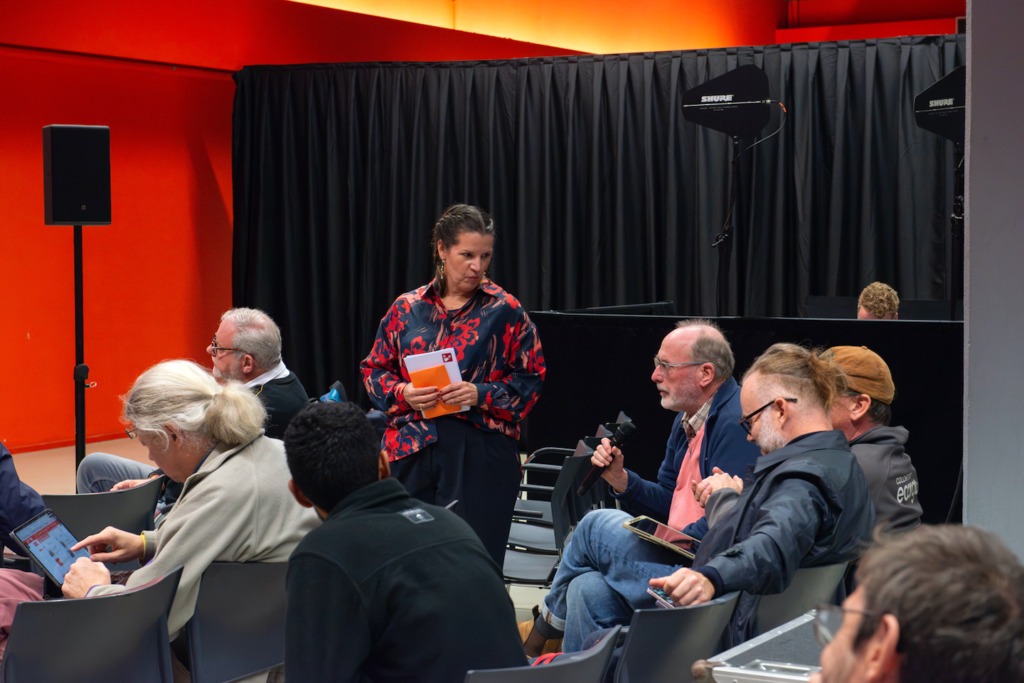
The two-day conference programme was delivered by an international roster of speakers moderated by Nicole Lolkema (Dutch Cycling Embassy), Spanish journalist Jaime Novo, and Prof. Ruth Oldenziel (Eindhoven University of Technology). Keynote speaker Dr Frauke Behrendt opened the event by exploring battery-as-a-service (BaaS) and mobility data justice, drawing lessons from two-wheeler electrification in Kenya. ICBF Director Jos Sluijsmans, speaking on behalf of Townmaking Institute, officially launched Branchevereniging Fietslogistiek Nederland (BFLN), the Cycle Logistics Association of the Netherlands (CLAN). And cross-border collaboration was addressed in dedicated sessions featuring representatives from the Belgian Cycle Logistics Federation, France’s Les Boîtes à Vélo, and Germany’s Radlogistikverband Deutschland, which were also attended by representatives of national trade associations from the United Kingdom, the Netherlands and Japan.
Meanwhile, the 13th Cycling Mobility in Brazil Awards, handed out from the ICBF podium, recognised projects including Señoritas Courier’s cooperative “care-based algorithm,” while filmmaker Rogério Rai introduced a screening on grassroots mobility in São Paulo. Further sessions addressed urban cycle logistics in Mumbai with Vijay Malhotra, battery repair standards, and how a shortage of bike mechanics can be avoided, with Ties van Dijk of Shimano Europe.
Main stage sessions from ICBF 2026 were captured on-site by Broadcast Bike, a mobile cargo bike-mounted recording studio, and will be uploaded to the ICBF YouTube channel in the coming weeks.
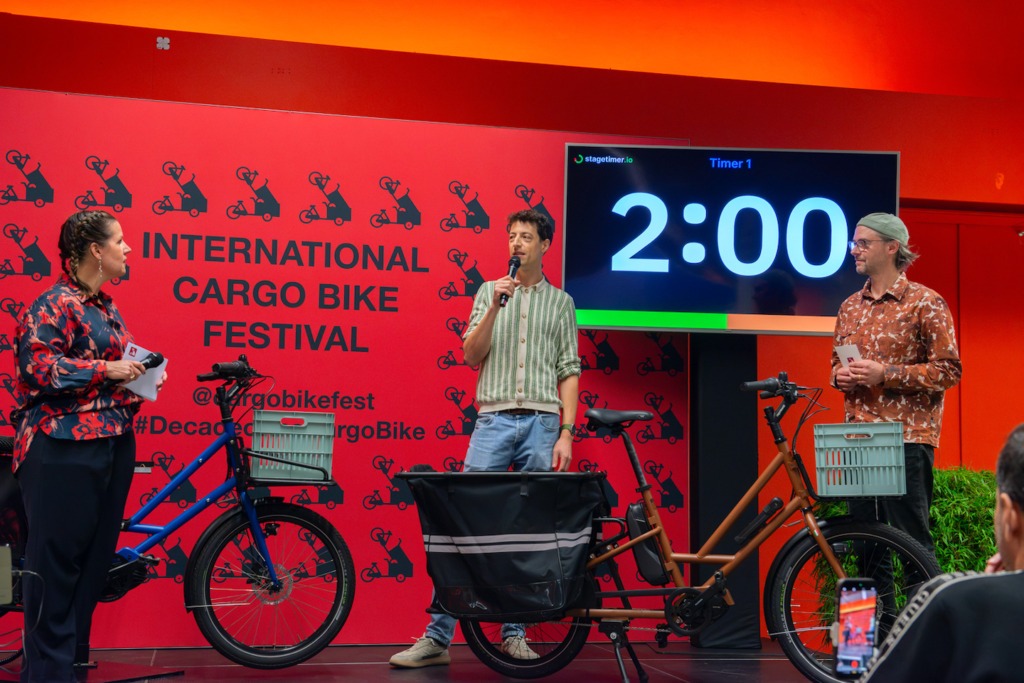
High-calibre attendance, high-impact outcomes
“Announcing our return to Nijmegen for 2027 was a full-circle moment for us,” said ICBF Director Jos Sluijsmans. “Cities like Nijmegen are case-studies in how important cargo bikes are as it brings in zero-emission logistics, and we’re delighted to be working with them. Over our years in Utrecht, sharpening our focus as an event aimed at professionals has worked really well, and we’re looking back on three great editions. Launching the BFLN on stage was also a significant step forward, giving the Dutch cargo bike and cycle logistics sector a clearer, more unified voice.”
“What stood out at ICBF 2026 was the quality of conversation in the hall,” added ICBF Co-organiser Tom Parr. “It was about getting people from 36 countries together and having productive discussions that will have practical real-world impact. Seeing that kind of constructive exchange between participants from across Europe, Africa, South America, and Asia shows not only just how much shared momentum there is in the sector, but also how gigantic the potential is worldwide.”
For more information visit ICBF here.