


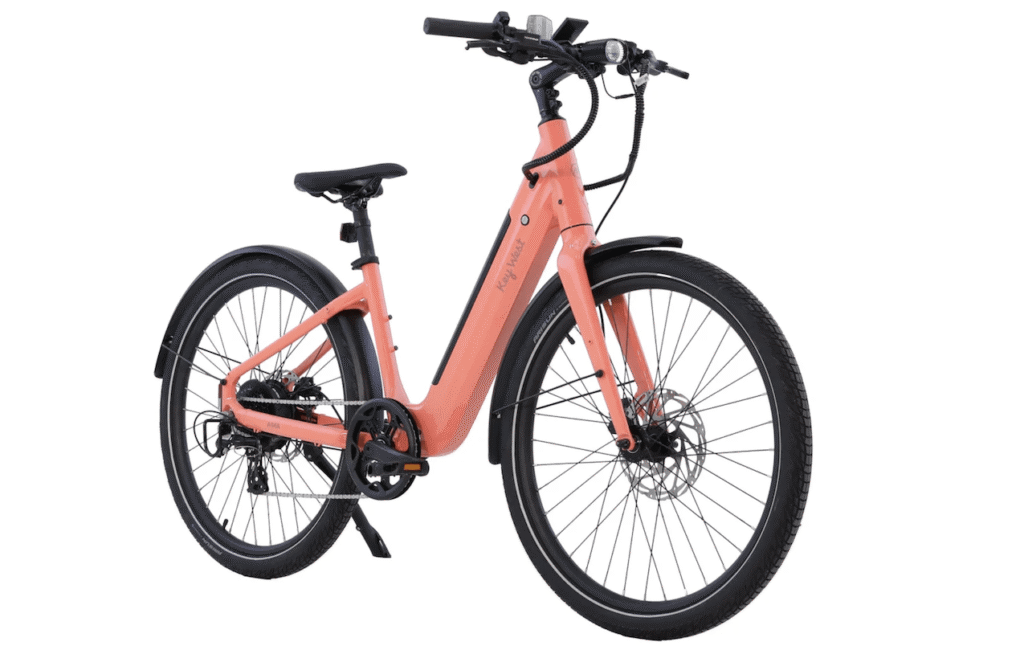




September 28, 2026 - A new study in British Columbia investigated the long-term impacts of e-bike adoption across 1,004 recipients of income-tiered e-bike purchase rebates, particularly for low-income purchasers and other structurally marginalized population groups.
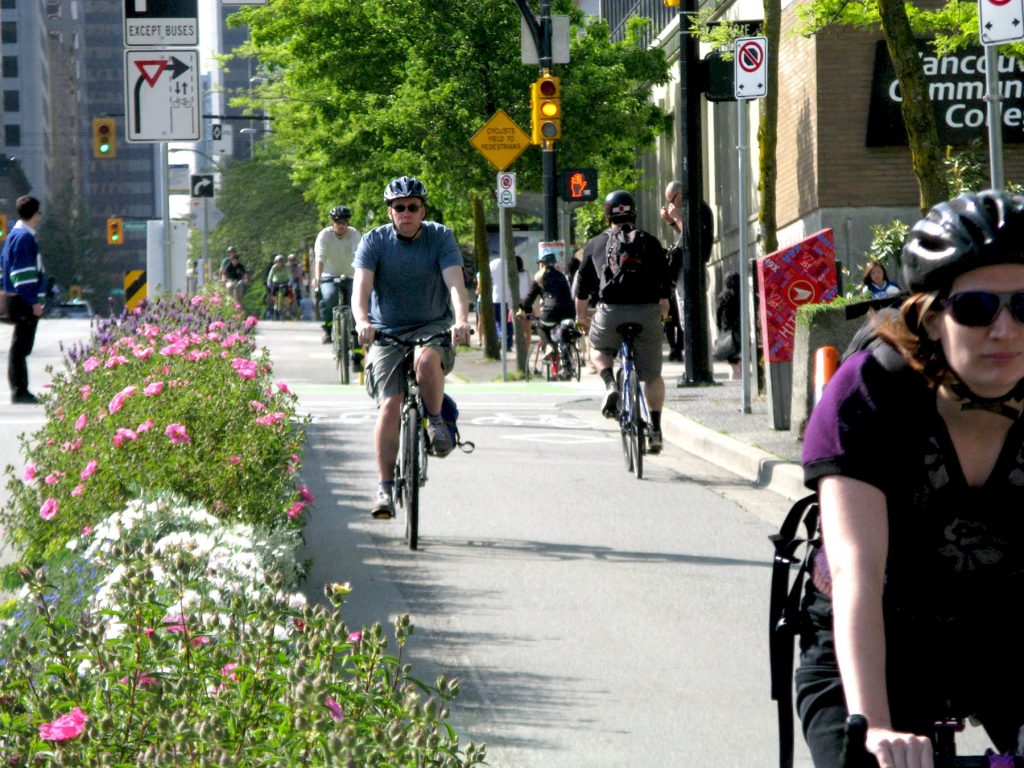
In addition to substantially reduced e-bike purchase costs (by 48%), the study estimates that e-bike rebate recipients also reduced their weekly travel costs by 12% after one year of ownership, and had a net increase to their physical activity during travel by 14%.
Study participants noted that mode shift and utility stood out as important benefits of e-bike access. In addition, the value of enjoyment and improvements to mental and physical health, were articulated.
Conversely, participants expressed concerns about theft especially in urban areas, and poor riding facilities, especially for seniors. Rebates are only part of the solution to facilitate e-bike adoption, and continued effort is also required to improve cycling networks and mitigate bike theft.
The benefits of e-bike adoption were generally consistent across demographic groups, but seniors, people with physical limitations, people with limited income, and rural residents benefitted more than others.
Read the full study here.