

June 15, 2022 - A new white paper from Portland State University says that more data can help legislators choose e-bike rebate programs to meet their climate, congestion and mobility equality goals faster and have an even bigger impact in the future.
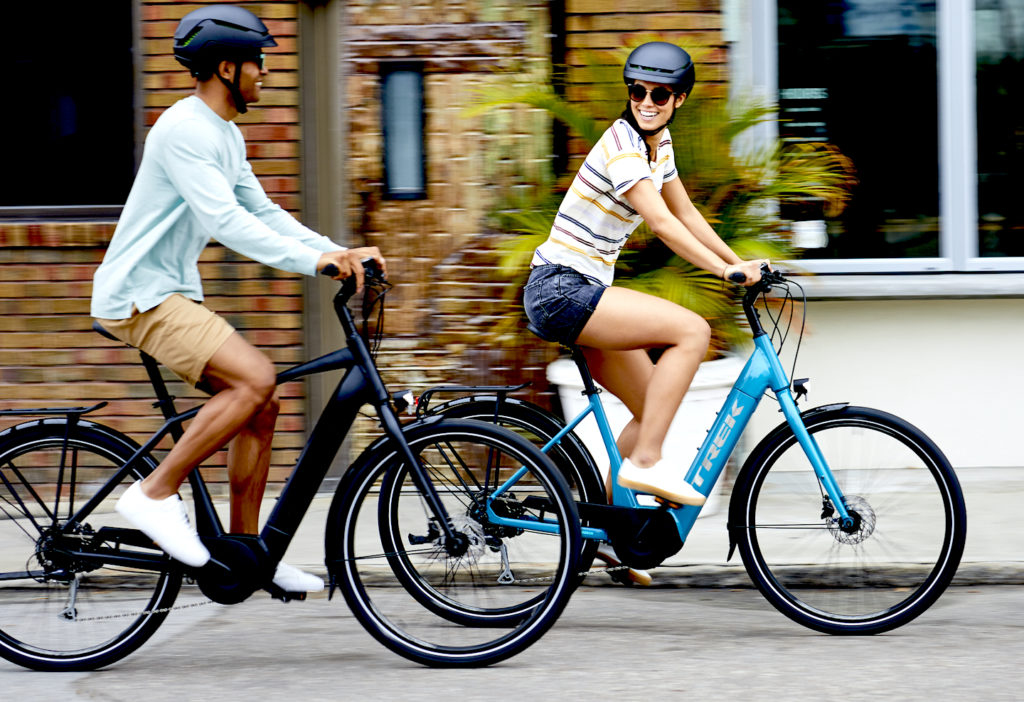
Researchers looked at more than 70 current, former, and upcoming efforts to subsidize the use of e-bikes in the U.S. and Canada and they found some surprising trends.
Power districts like utility companies, who use the programs to meet their greenhouse gas reduction requirements, are actually the largest e-cycling boosters (41%), while local municipalities and governments are administering only 24% of active programs despite their ability to help achieve municipal goals.
Early research has shown that 62% of North American e-bike trips can replace car journeys, and that access to e-bike share programs can reduce a city residents’ automobile mileage by 20%.
“To build a better e-bike incentive — and eventually, make these subsidies a front-line climate, equity and safety strategy in more places, program administrators should be more deliberate about shaping their incentives around the goals they’d most like to accomplish, and think deliberately about what forms those incentives should take and how big they should be.,’” said John MacArthur, sustainable transportation manager for the Transportation Research and Education Center (TREC) at PSU.
Read the full report here.