









September 24, 2026 - (Toronto, ON) Day two of the Ontario Bike Summit at the Novotel Toronto Centre saw multiple sessions covering a wide variety of topics. Here’s a snapshot look at some of the engaging presentations.
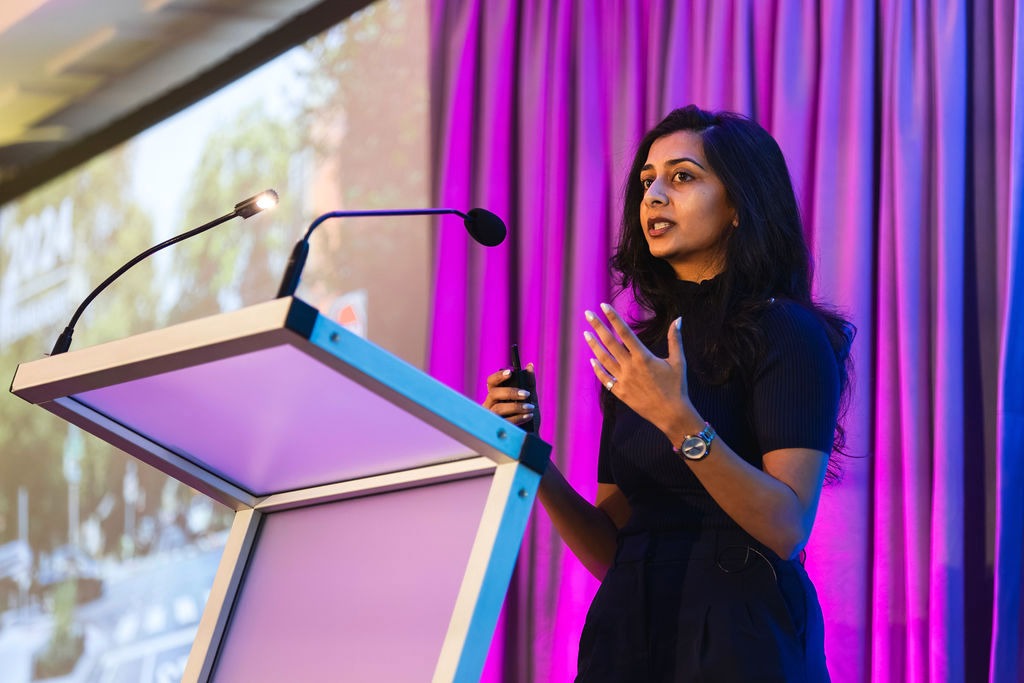
To kick things off attendees were treated to an inspirational keynote by Barkha Patel, an urban planning and infrastructure leader. Jersey City, one of the most densely populated and diverse cities in the United States, was transformed under her leadership to achieve a record “zero traffic fatalities” in 2022, and became a national model for what Vision Zero can achieve.
Patel presented the various strategies and actions that delivered measurable results and transformed Jersey City’s transportation system through bold political commitment, with a relentless focus on vulnerable road users. Taking small steps initially and starting with curb extensions, she and her team of three, successfully expanded the department’s footprint while the mayor had their back during challenging times.
Over a 10-year period their efforts grew to building out 25 miles of protected bike lanes, hundreds of speed humps, pedestrian‑priority signals, redesigned corridors, the launch of Via JC, and more. Patel became Director of Infrastructure administering a multi-million dollar budget, and currently 57% of residents take local transit, walk or bike.

Another great presentation, Cycling Leadership in a Transforming Ontario, saw a top-level speaker’s panel including Cam Guthrie, Mayor Guelph, Dorothy McCabe, Mayor Waterloo, Deb Doherty, Councillor, Town of Collingwood, and Barbara Gray, Former General Manager, Transportation Services Division | City of Toronto, moderated by Diane Freeman, Councillor | City of Waterloo, discuss how to advance active transportation and improve road safety by implementing cycling infrastructure.
Panelist spoke of the growing demand for safer, affordable transportation options that are connected to transit, bike lanes and trails, and designed for people of all ages, abilities and life stages. The discussion also emphasized cycling as an equity issue, particularly for workers, students and lower-income residents who don’t have access to a car.
A recurring theme was the tension between implementing quick, inexpensive solutions and investing in durable, high-quality infrastructure, with speakers stressing that municipalities need the autonomy, flexibility and resources to deliver connected networks rather than isolated cycling and trail projects. They also spoke of the importance that local public consultation plays in finding alternative options to advancing cycling plans and initiatives.

Future planning is on everyone’s agenda and the session, Toronto in 2040 – Plans for Keeping a City of 4 Million People Moving, saw Andrew Posluns, Chief Congestion Officer, City of Toronto, Barbara Gray, Former General Manager, Transportation Services Division, City of Toronto, and James Perttula, Director, Transportation Planning, City of Toronto, tackle a variety of issues.
With Toronto projected to grow from a population of 3.2 million to 4 million by 2051, the speakers discussed how to address the challenges of managing congestion in a rapidly growing city while expanding the multimodal transportation system. They emphasized the need to coordinate land-use planning, transit, cycling and active transportation infrastructure with anticipated growth, particularly in major development areas, and around transit hubs.
Congestion management is not just about moving cars, and the City is exploring a range of solutions including traffic management, smarter signals and technology, improved surface transit, construction coordination, and shifting more trips to transit, cycling and walking.
Speakers highlighted the importance of better data, performance measures, as well as the ongoing use of pilot projects to test solutions, learn from experience, and manage risk. Community engagement emerged as being time consuming, challenging, and essential. Consultation can slow project delivery, but informing and educating the public is critical. Growth requires changes to how the limited road space is allocated.
Ultimately, the panel emphasized the need to balance short-term solutions with long-term, coordinated planning, and creative remedies. They also spoke of the need to improve communication to the wider public regarding changes to roadways, and the need to explain the reasons behind the changes. Finally, leadership requires having difficult conversations to manage change and accommodate growth, while building a more connected and resilient transportation network.
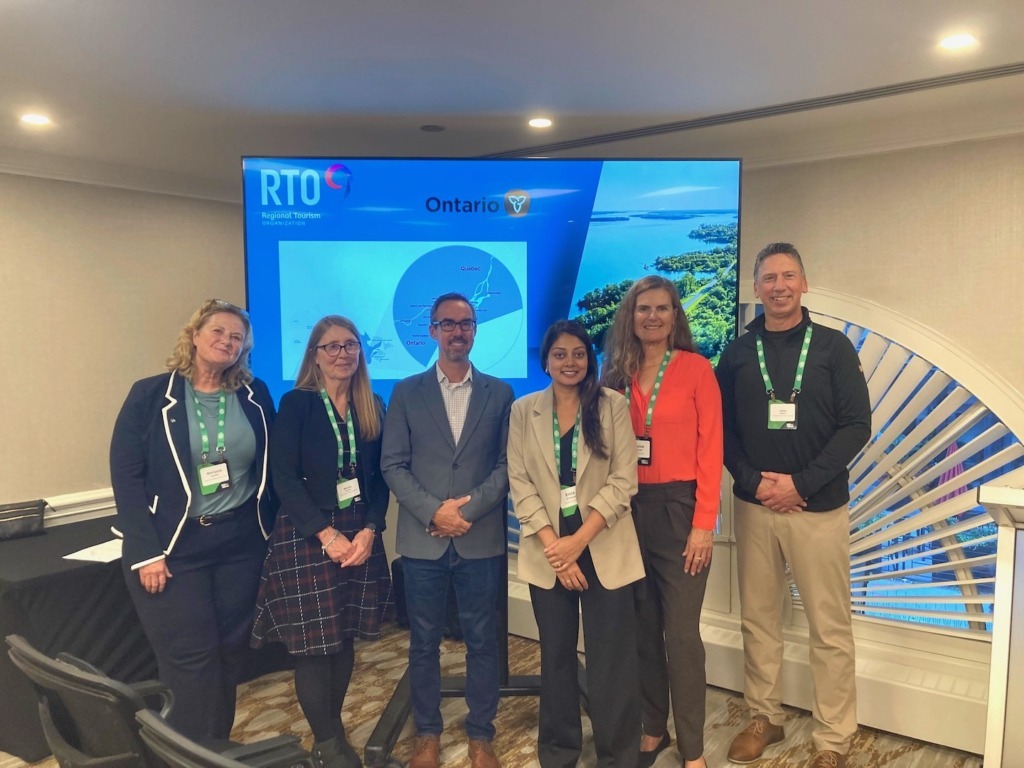
Another great session, Connecting Provinces, Connecting People – The Cycle Ontario-Quebec Tourism Corridor, addressed a new initiative for cycling tourism with veteran administrators that included Bonnie Ruddock, Executive Director, Region 9 Regional Tourism Organization, Erica D’Souza, Senior Director, Destination Development, Destination Canada, Justin Lafontaine Partnerships Lead Destination Ontario, Louisa Mursell Executive Director, Ontario By Bike, Louis Bedard, Regional Development Advisor | Regional Services Division, Ministry of Tourism Culture and Gaming, along with moderator Marlaine Koehler, Executive Director, Waterfront Regeneration Trust.
The panel highlighted the significant economic opportunities around investing in cycling tourism to better connect Ontario and Québec through a world-class cycling corridor by building on existing trails, routes, communities and tourism destinations. Supported by Destination Canada’s national tourism corridor strategy, the initiative focuses on slow travel, rural and small-town economic development, local businesses, Indigenous partnerships, and connecting cycling with food, culture, nature and other visitor experiences.
Speakers emphasized that cyclists are valuable tourists and economic drivers as they tend to stay longer and spend more money locally. In addition, e-bikes and off-road trails are creating new opportunities to expand cycling tourism. Rural communities can increase their local economy through collaboration among governments, tourism organizations, cycling groups and local businesses, as well as by improved wayfinding, visitor services, feasibility planning and connections to public transit.
Unlike Québec, Ontario lacks a province-wide cycling network along with the coordinated leadership, investment and organizational capacity that’s needed to develop cycling tourism at scale. The panel also discussed the tremendous opportunity this initiative presents to build on the lessons of Québec’s Vélo Québec model, by calling for greater provincial leadership, sustained investment and collaboration to help transform Ontario’s existing cycling assets into a connected tourism network that benefits visitors, local communities and the economy.
For more on the OBS click here and stay tuned for more coverage.