

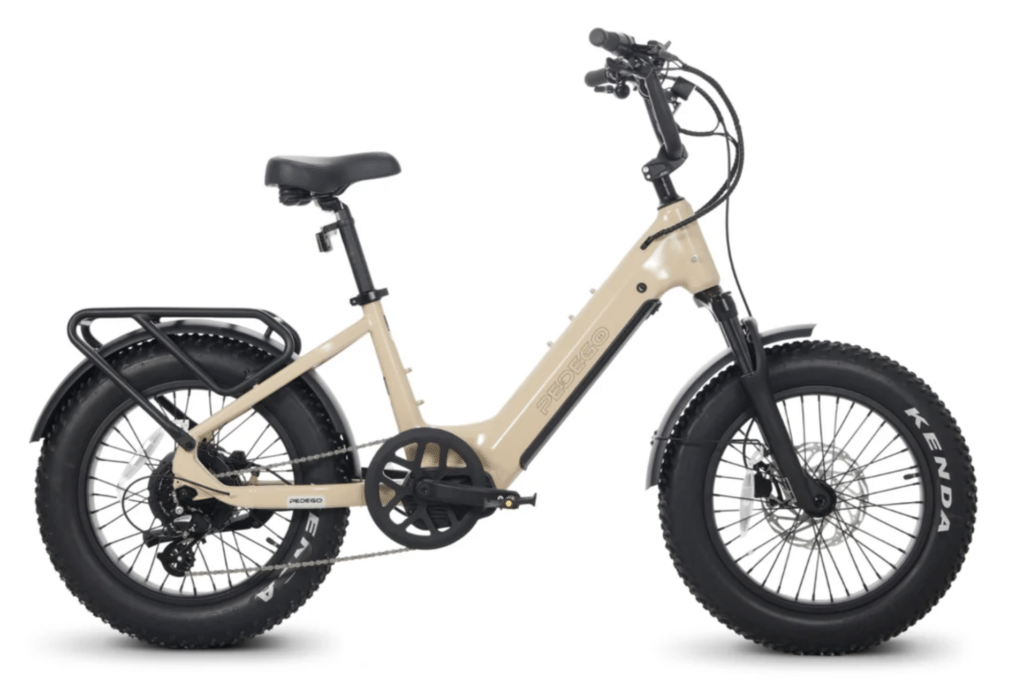
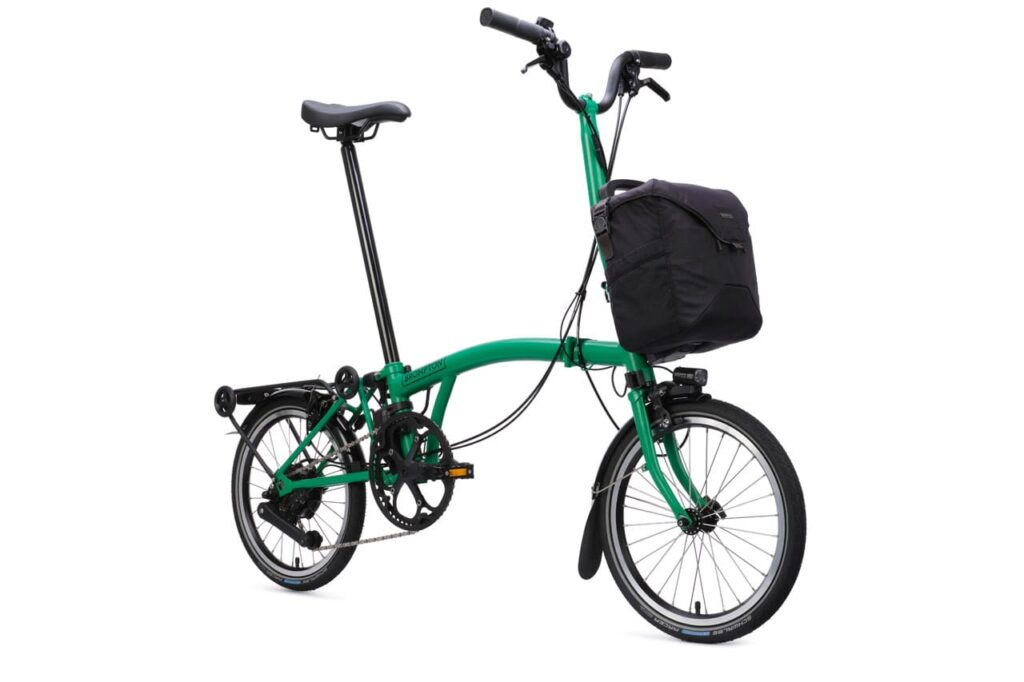
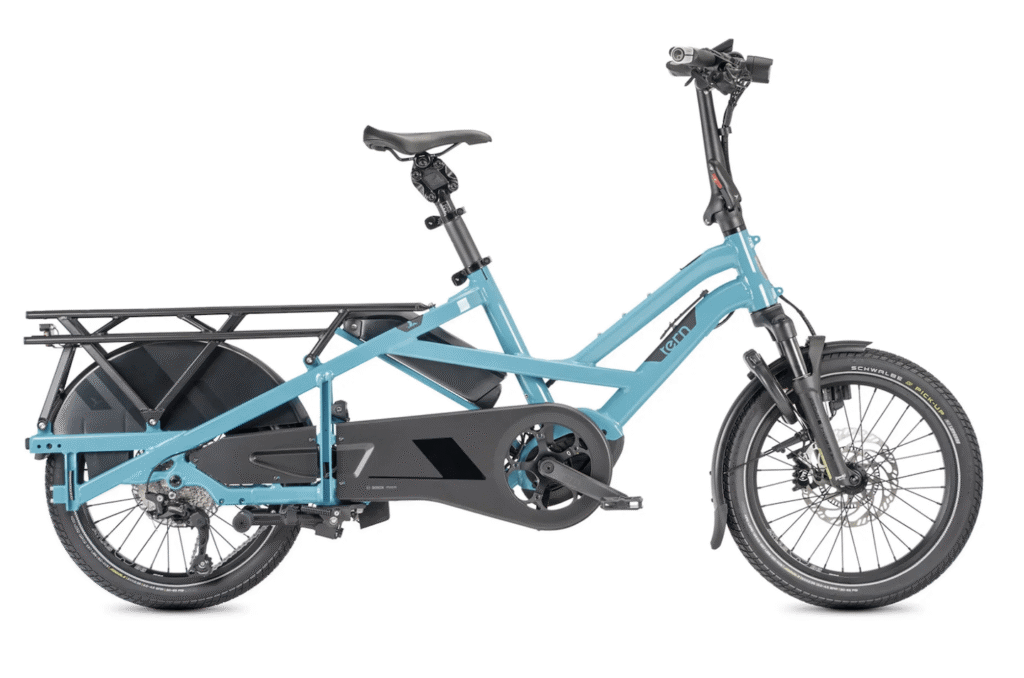
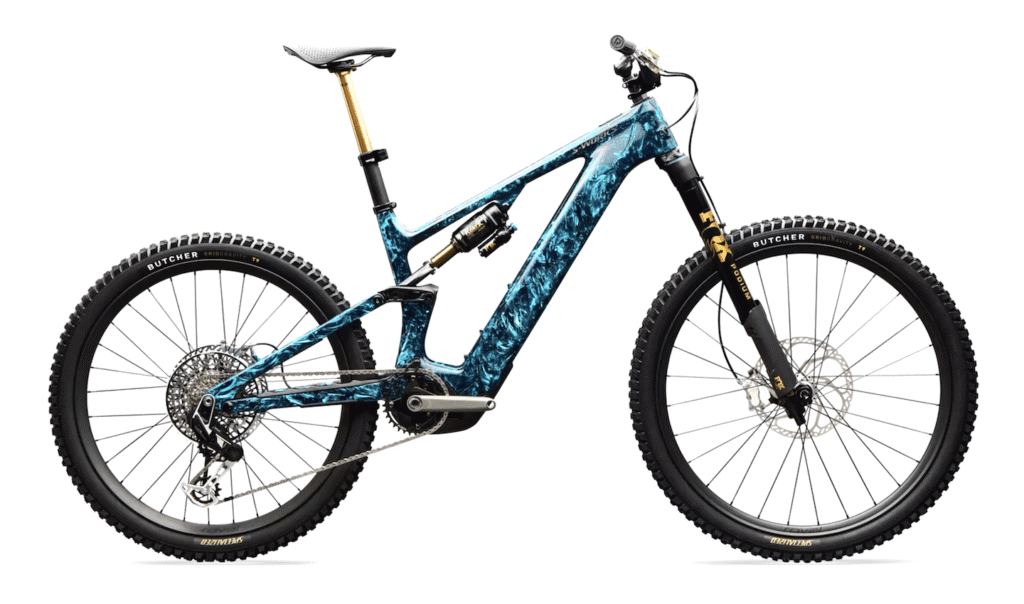
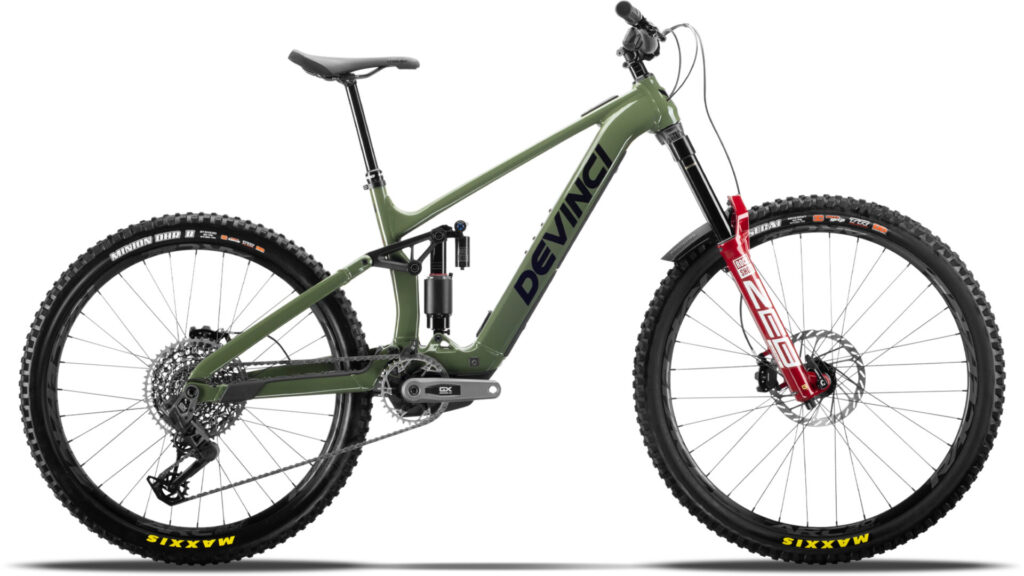
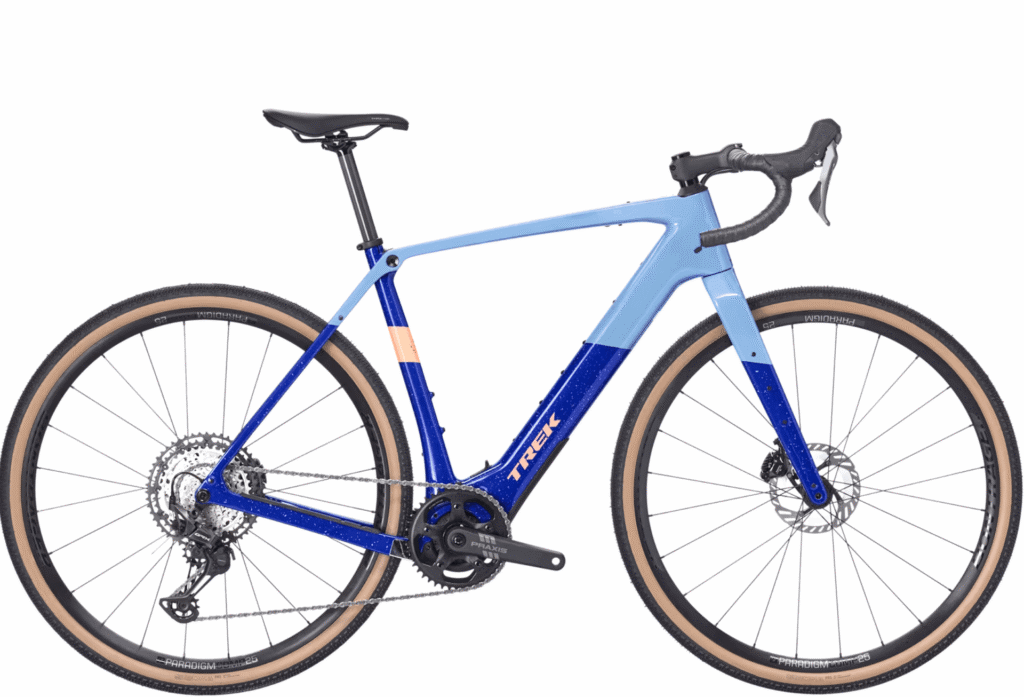

November 26, 2026 - (Toronto, ON) Ontario’s Transportation Minister, Prabmeet Sarkaria, has announced sweeping new restrictions today on what can be classified as an e-bike. Other important regulation changes include passengers of any age will be allowed on e-bikes as long as there is a seat for them.

Starting in May 1, 2027 only e-bikes that include “a bicycle-style frame, fully operable pedals and a maximum motor-assisted speed of 32 km/h” will be allowed on Ontario roads without requiring a driver’s licence, vehicle registration or insurance.
The updated law will have two classes of e-bikes as proposed by the province back in April of this year to address the “e-bike vs e-moto” problem that is a growing concern in Canada, the USA and abroad.
The new definitions mean that Class A e-bikes will have a maximum weight limit of 55 kilograms and pedal-assist only (the motor assists only when the rider is pedalling), except for a walk-assist function that can provide assistance up to 6 km/h.
Class B e-bikes have a limit of 120 kilograms and includes pedal-assist only e-bikes that weigh more than 55 kg, and e-bikes that have a throttle (where the motor can provide assistance whether or not the rider is pedalling). Both types are limited to a top power-assisted speed of 32 km/h and motor output of 500 watts.
“Electric vehicles that are operated as e-bikes, but function more like motorcycles and motor scooters, pose serious risks for pedestrians, riders, cyclists and drivers,” said Prabmeet Sarkaria, Minister of Transportation in a press release. “That is why we are updating the regulations for e-bikes to clarify what is and what isn’t an e-bike, protect road users and ensure everyone follows the same safety, licensing and insurance rules based on their vehicle’s design and capabilities.”
Ontario joins US states like California, Illinois, Delaware, Hawaii and others who are establishing clear guidelines and definitions for what is a legal e-bike, to protect consumers, and address the rampant sales and use of illegal devices or “e-motos” that are sold as “e-bikes” – read more here.
Under the reforms, offenders will face fines up to $2,500 and their e-bike can be impounded – there’s no mention of enforcement at retail outlets that sell electric micromobility products.
According to the new regulations, a vehicle is not an e-bike if it does not meet Ontario’s e-bike requirements, even if it is marketed, sold or labelled as an “e-bike.”
Ontario is working with law enforcement, municipalities, road safety partners, courier companies, manufacturers, retailers and the insurance industry to raise public awareness of Ontario’s updated e-bike framework.
Currently e-bike riders must be at least 16 years old and wear an approved bicycle or motorcycle helmet, and their batteries must not be modified. E-bike operators do not require a driver’s licence, vehicle registration or vehicle insurance.
In addition, passengers of any age are allowed on an e-bike if it has an appropriate passenger seat – many parents were hoping to see this revision of the current laws. Children six years of age and under must be seated in a child passenger seat designed for their use. All passengers must also wear an approved helmet.
Exploding e-bike batteries is another issue and Solicitor General Michael Kerzner, who has been meeting with fire department officials, noted there will be “changes to Ontario’s Fire Code to promote the safe use, charging and storage of lithium-ion batteries.
Read the full Ontario press release here.
Read more on Ontario’s eBike Regulations here.